- Home
- ATAXIA
- SIGNS AND SYMPTOMS
- MOVEMENT PROBLEMS
- Temporary Causes
- PROGRESSIVE CAUSES
- Is Ataxia Curable?
- Emotional Support
- WHEN TO SEEK ADVICE
- Ataxia May Affect Daily
- Management & Support
- OCCUPATIONAL THERAPY
- RISK OF FALLS
- PERSONAL CARE
- COOKING AND MEAL PREPARE
- Managing fatigue
- Household tasks
- HOME AASESSMENT
- HOME ADAPTATIONS
- Assistive Aids
- Vitamin & Nutritional
- INFECTIONS
- EMOTONAL SUPPORT. 2
- Mental Health Support
- Medical Support
- Ongoing Monitoring
- Part of a Care Team
- ATAXIA RADDIO
- MOVEMENT
- STAGES
- STAGE 1-9
Discover a Healthier You with ATAXIA
Welcome to ATAXIA!
Reduce the Risk of Falls & Injury — ATAXIA
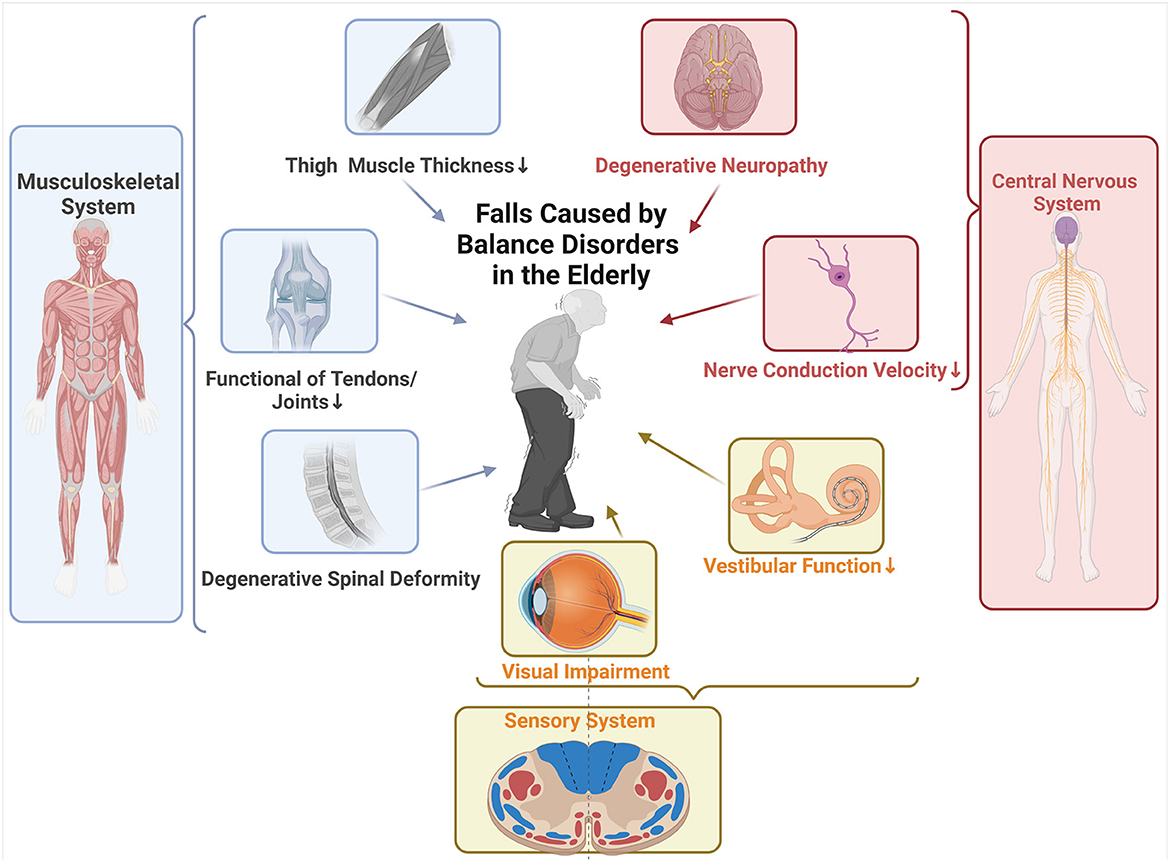
People with ataxia are at a higher risk of falls and injury due to problems with balance, coordination, vision, and muscle control.
Reducing this risk is essential for safety, confidence, and maintaining independence.
Falls are not inevitable — many can be prevented with the right strategies and support.

 4
4
⚖️ Why Falls Are More Likely in Ataxia
Falls may occur due to:
- Poor balance and unsteady walking
- Difficulty turning or stopping
- Leg and foot coordination problems
- Slowed or uncontrolled movements
- Vision or depth-perception issues
- Fatigue and reduced reaction time
- Uneven surfaces or cluttered spaces
Understanding these risks helps prevent accidents.
🏠 Make the Home Safer
Simple home changes can significantly reduce falls:
- Keep floors clear of clutter and loose rugs
- Improve lighting in all rooms and hallways
- Install handrails on stairs and grab bars in bathrooms
- Use non-slip mats in showers and kitchens
- Arrange frequently used items within easy reach
A safer home supports confidence and independence.
👟 Footwear & Clothing
What you wear matters:
- Choose supportive, well-fitting shoes
- Avoid loose slippers or socks on smooth floors
- Use non-slip soles
- Avoid trailing clothing that could cause tripping
Good footwear improves stability.
🏃 Movement & Balance Support
Professional support can greatly reduce falls:
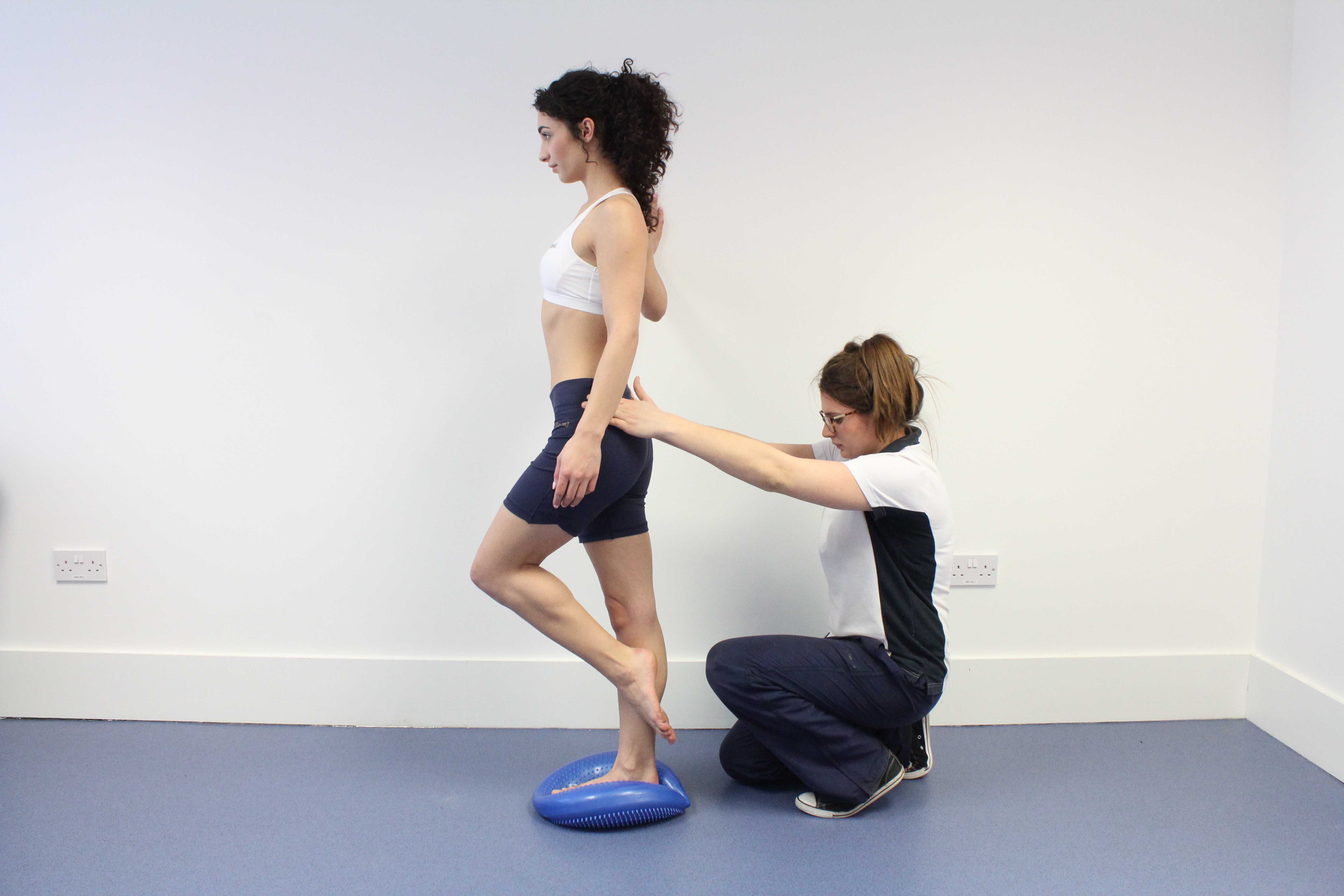
- Physiotherapy to improve balance and walking
- Strength and coordination exercises
- Learning safer movement techniques
- Gait training and posture support
Staying active in a controlled and supported way helps reduce risk.
🦽 Using Mobility Aids Safely
Mobility aids are tools for safety — not loss of independence.
They may include:
- Walking sticks
- Frames or rollators
- Handrails or seating supports
Using the right aid at the right time can prevent serious injury.
🧠 Managing Fatigue & Focus
Falls are more likely when tired or distracted:
- Take regular rest breaks
- Avoid rushing
- Focus on one task at a time
- Sit down for tasks when possible
Energy management protects safety.
💊 Medication & Health Review
Falls risk can increase due to:
- Certain medications
- Dizziness or low blood pressure
- Vision changes
Regular medical reviews help identify and reduce these risks.
❤️ Emotional Confidence & Awareness
Fear of falling can lead to reduced activity, which increases risk over time.
Supportive reassurance and gradual confidence-building help people:
- Stay active safely
- Trust their abilities
- Use support without embarrassment
Confidence is a key part of fall prevention.
Key Message
Reducing the risk of falls and injury in ataxia is about prevention, planning, and support.
With home adaptations, therapy, safe movement strategies, and the right equipment, many falls can be avoided.
Staying safe supports independence, confidence, and quality of life.
Reduce the Risk of Falls & Injury — ATAXIA
People with ataxia are at a higher risk of falls and injury due to problems with balance, coordination, vision, and muscle control.
Reducing this risk is essential for safety, confidence, and maintaining independence.
Falls are not inevitable — many can be prevented with the right strategies and support.
4
⚖️ Why Falls Are More Likely in Ataxia
Falls may occur due to:
- Poor balance and unsteady walking
- Difficulty turning or stopping
- Leg and foot coordination problems
- Slowed or uncontrolled movements
- Vision or depth-perception issues
- Fatigue and reduced reaction time
- Uneven surfaces or cluttered spaces
Understanding these risks helps prevent accidents.
🏠 Make the Home Safer
Simple home changes can significantly reduce falls:
- Keep floors clear of clutter and loose rugs
- Improve lighting in all rooms and hallways
- Install handrails on stairs and grab bars in bathrooms
- Use non-slip mats in showers and kitchens
- Arrange frequently used items within easy reach
A safer home supports confidence and independence.
👟 Footwear & Clothing
What you wear matters:
- Choose supportive, well-fitting shoes
- Avoid loose slippers or socks on smooth floors
- Use non-slip soles
- Avoid trailing clothing that could cause tripping
Good footwear improves stability.
🏃 Movement & Balance Support
Professional support can greatly reduce falls:
- Physiotherapy to improve balance and walking
- Strength and coordination exercises
- Learning safer movement techniques
- Gait training and posture support
Staying active in a controlled and supported way helps reduce risk.
🦽 Using Mobility Aids Safely
Mobility aids are tools for safety — not loss of independence.
They may include:
- Walking sticks
- Frames or rollators
- Handrails or seating supports
Using the right aid at the right time can prevent serious injury.
🧠 Managing Fatigue & Focus
Falls are more likely when tired or distracted:
- Take regular rest breaks
- Avoid rushing
- Focus on one task at a time
- Sit down for tasks when possible
Energy management protects safety.
💊 Medication & Health Review
Falls risk can increase due to:
- Certain medications
- Dizziness or low blood pressure
- Vision changes
Regular medical reviews help identify and reduce these risks.
❤️ Emotional Confidence & Awareness
Fear of falling can lead to reduced activity, which increases risk over time.
Supportive reassurance and gradual confidence-building help people:
- Stay active safely
- Trust their abilities
- Use support without embarrassment
Confidence is a key part of fall prevention.
Key Message
Reducing the risk of falls and injury in ataxia is about prevention, planning, and support.
With home adaptations, therapy, safe movement strategies, and the right equipment, many falls can be avoided.
Staying safe supports independence, confidence, and quality of life.