- Home
- ATAXIA
- SIGNS AND SYMPTOMS
- MOVEMENT PROBLEMS
- Temporary Causes
- PROGRESSIVE CAUSES
- Is Ataxia Curable?
- Emotional Support
- WHEN TO SEEK ADVICE
- Ataxia May Affect Daily
- Management & Support
- OCCUPATIONAL THERAPY
- RISK OF FALLS
- PERSONAL CARE
- COOKING AND MEAL PREPARE
- Managing fatigue
- Household tasks
- HOME AASESSMENT
- HOME ADAPTATIONS
- Assistive Aids
- Vitamin & Nutritional
- INFECTIONS
- EMOTONAL SUPPORT. 2
- Mental Health Support
- Medical Support
- Ongoing Monitoring
- Part of a Care Team
- ATAXIA RADDIO
- MOVEMENT
- STAGES
- STAGE 1-9
Transform Your Life with ATAXIA
Transform Your Health with ATAXIA Health Consulting
At ATAXIA, we believe that good health is the foundation for a happy life. Our team of experienced health consultants are dedicated to helping you achieve optimal health and wellness through evidence-based practices. Whether you are looking to lose weight, improve your fitness, or manage a chronic condition, we are here to support you every step of the way.
Occupational Therapy — ATAXIA
Occupational Therapy (OT) helps people with ataxia manage daily activities safely and independently, despite difficulties with balance, coordination, fatigue, or fine motor control.
The focus is on what matters to the individual — everyday tasks, routines, work, hobbies, and home life.

4
🏠 How Occupational Therapy Helps
An Occupational Therapist works with the person to:
- Maintain independence for as long as possible
- Reduce risk of falls and injury
- Make daily tasks easier and safer
- Improve confidence and quality of life
- Support participation in work, education, and hobbies
Support is individualised and practical.
🛠️ Daily Living Support
Occupational therapy can help with:
- Dressing, washing, and personal care
- Eating and drinking safely
- Cooking and meal preparation
- Writing, typing, and using technology
- Managing fatigue and energy levels
- Household tasks and routines
Tasks are often adapted rather than avoided.
✋ Hand & Fine Motor Support
OT may focus on:
- Improving hand coordination and control
- Strategies for tremor or clumsiness
- Use of adaptive equipment (e.g. weighted cutlery, built-up grips)
- Simplifying fine motor tasks
This helps maintain independence in everyday activities.
🏡 Home Safety & Adaptations
Occupational Therapists can:
- Assess home environments for safety
- Recommend adaptations such as handrails, grab bars, or seating
- Suggest layout changes to reduce falls risk
- Advise on bathroom and kitchen safety
Small changes can make a big difference.
🦽 Equipment & Assistive Aids
OTs may recommend:
- Adaptive cutlery and kitchen aids
- Seating and posture supports
- Bathing and toileting equipment
- Writing, phone, or computer aids
- Mobility-related supports (in coordination with physiotherapy)
Equipment is chosen to support independence, not dependence.
🧠 Fatigue & Energy Management
Fatigue is common in ataxia.
OT can help with:
- Pacing activities
- Planning rest breaks
- Prioritising important tasks
- Creating balanced daily routines
This helps reduce exhaustion and frustration.
🧑⚕️ Working With Other Professionals
Occupational Therapy often works alongside:
- Physiotherapy (movement and balance)
- Speech & language therapy
- Medical and neurological care
- Social care and support services
Care works best when it is co-ordinated.
❤️ Key Message
Occupational Therapy plays a vital role in ataxia care.
With the right strategies, adaptations, and equipment, people with ataxia can continue to live independent, safe, and meaningful lives.
Early referral allows people to adapt before difficulties become overwhelming.
Discover a Healthier You with ATAXIA
Welcome to ATAXIA!
How Occupational Therapy Helps — ATAXIA
Occupational Therapy (OT) helps people with ataxia manage everyday activities safely, confidently, and independently, even when balance, coordination, fatigue, or hand control are affected.
The focus is not on what a person cannot do — but on how to keep doing what matters most.

 4
4
🏠 Supporting Everyday Activities
Occupational Therapy helps with daily tasks such as:
- Dressing, washing, and personal care
- Eating and drinking safely
- Cooking and meal preparation
- Writing, typing, and using phones or computers
- Managing household routines
Tasks are adapted to make them easier, safer, and less tiring.
✋ Improving Hand & Arm Function
Because ataxia affects coordination, OT can support:
- Hand and arm control
- Fine motor skills (buttons, cutlery, pens)
- Managing tremor or clumsiness
- Reducing frustration during tasks
This often includes simple techniques and adaptive tools.
🛠️ Adaptive Equipment & Aids
Occupational Therapists may recommend equipment such as:
- Weighted or non-slip cutlery
- Built-up grips for pens and tools
- Bathing and toileting aids
- Seating and posture supports
- Technology aids (keyboards, voice tools)
Equipment is chosen to support independence, not replace it.
🏡 Home Safety & Adaptations
OT helps reduce falls and injury by:
- Assessing the home environment
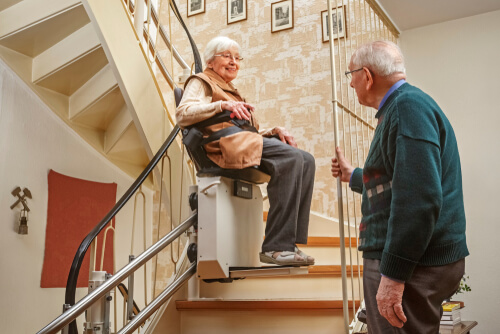
- Recommending grab rails, handrails, or seating
- Advising on safer layouts and lighting
- Improving bathroom and kitchen safety
Small changes can make a big difference to safety and confidence.
🧠 Fatigue & Energy Management
Fatigue is common in ataxia.
Occupational Therapy helps people:
- Pace activities
- Plan rest breaks
- Prioritise important tasks
- Balance activity and rest
This supports long-term independence and wellbeing.
💼 Work, Hobbies & Social Life
OT can also support:
- Staying in work or education
- Adjusting workspaces or routines
- Continuing hobbies and interests
- Maintaining social engagement
The goal is to help people stay active, connected, and fulfilled.
🧑⚕️ Working With Other Professionals
Occupational Therapy works alongside:
- Physiotherapy (movement and balance)
- Speech & language therapy
- Medical and neurological care
- Social and community support services
This ensures joined-up, person-centred care.
❤️ Key Message
Occupational Therapy plays a vital role in living well with ataxia.
With the right strategies, adaptations, and support, people can maintain independence, safety, confidence, and quality of life.
Early referral allows people to adapt before difficulties become overwhelming.

Achieve Optimal Health Today
Discover the Benefits of ATAXIA
Supporting Everyday Activities — ATAXIA
Ataxia can make everyday activities more difficult due to problems with balance, coordination, fatigue, speech, vision, and hand control.
With the right support and adaptations, many people can continue to manage daily life safely, confidently, and independently.
Support focuses on adapting tasks, not taking independence away.

 4
4
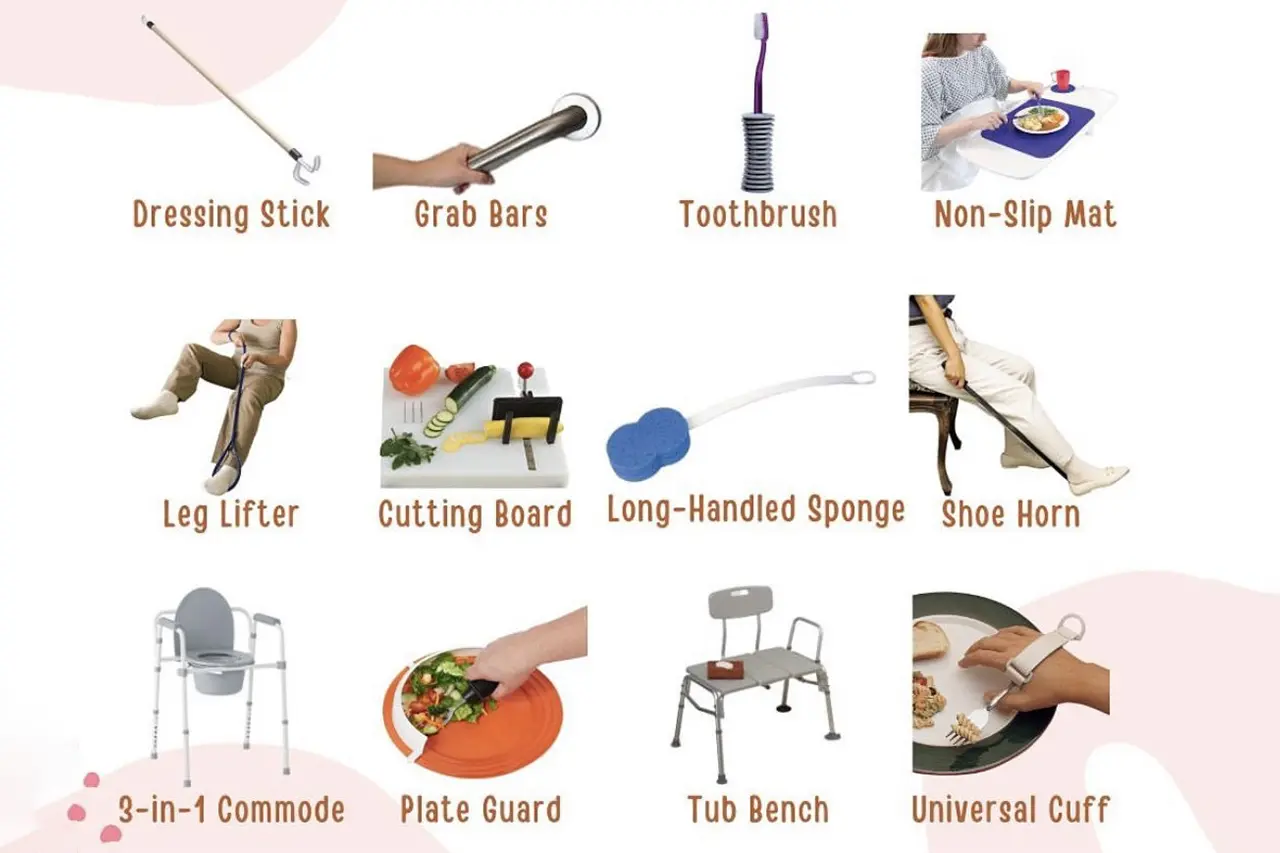
🏠 Personal Care & Self-Care
Support may help with:
- Dressing, fastening buttons, or tying laces
- Washing, bathing, and toileting safely
- Grooming tasks such as shaving or brushing teeth
Simple adaptations, extra time, and safe positioning can make these tasks easier and safer.
🍽️ Eating & Drinking
Ataxia can affect hand control and swallowing. Support may include:
- Adaptive or weighted cutlery
- Non-slip mats and stable plates or cups
- Sitting upright and eating slowly
- Reducing distractions during meals
These strategies improve safety, comfort, and confidence at mealtimes.
🍳 Cooking & Meal Preparation
Support may involve:
- Using easy-grip kitchen tools
- Sitting rather than standing while preparing food
- Preparing simple meals in stages
- Organising kitchens so items are within easy reach
- Using safety aids such as kettle-tippers or cut-resistant gloves
This helps maintain independence while reducing risk.
✋ Hand Use & Fine Motor Tasks
Everyday hand tasks may become challenging, including:
- Writing or typing
- Using phones, tablets, or computers
- Handling money or small objects
Support includes adaptive tools, simplified techniques, and allowing extra time.
🧠 Managing Fatigue & Energy
Fatigue is common in ataxia. Support may include:
- Breaking tasks into smaller steps
- Planning rest breaks
- Prioritising important activities
- Spreading tasks throughout the day
Managing energy helps prevent exhaustion and frustration.
🏡 Home Safety & Organisation
Supporting everyday activities also involves:
- Keeping walkways clear
- Improving lighting
- Using handrails or grab bars
- Organising frequently used items at easy height
- Reducing clutter to prevent falls
Small changes can greatly improve safety and independence.
❤️ Emotional Support & Confidence
Struggling with daily tasks can affect confidence and mood.
Encouragement, patience, and focusing on abilities rather than limitations are essential.
Feeling supported helps people stay motivated, engaged, and positive.
Key Message
Supporting everyday activities is about enabling independence, safety, and dignity.
With the right strategies, adaptations, and professional support, people with ataxia can continue to manage daily life and remain active and involved.
Early support allows people to adapt gradually and confidently.

Transform your health today
Welcome to ATAXIA Health Consulting
Maintaining Independence for as Long as Possible — ATAXIA
Living with ataxia can bring challenges, but maintaining independence for as long as possible is achievable with the right support, planning, and adaptations.
Independence is not about doing everything alone — it is about having choice, control, dignity, and confidence in daily life.


 4
4
🧠 Why Independence Matters
Maintaining independence helps to:
- Preserve confidence and self-esteem
- Support mental and emotional wellbeing
- Reduce reliance on others
- Encourage activity and movement
- Maintain identity, roles, and purpose
Early support helps people adapt gradually rather than respond to crisis.
🛠️ Adapting, Not Giving Up
Independence is maintained by adapting how tasks are done, not stopping them.
This may include:
- Allowing extra time for activities
- Breaking tasks into smaller steps
- Using adaptive equipment or aids
- Changing routines to suit energy levels
- Choosing safer or simpler ways to complete tasks
Small changes can make a big difference.
🏠 Support at Home
Maintaining independence at home may involve:
- Home safety adaptations (handrails, grab bars, good lighting)
- Organising frequently used items within easy reach
- Using supportive seating and stable furniture
- Keeping walkways clear to reduce falls
A safe environment supports confidence and self-reliance.
🏃 Staying Active & Mobile
Remaining as active as possible helps maintain independence:
- Physiotherapy supports balance and movement
- Gentle exercise maintains strength and flexibility
- Mobility aids can increase safety without reducing autonomy
- Avoiding unnecessary inactivity helps prevent decline
Movement supports both physical and emotional health.
🧠 Managing Fatigue & Energy
Fatigue can reduce independence if not managed.
Helpful strategies include:
- Pacing activities
- Taking regular rest breaks
- Prioritising important tasks
- Spreading activities across the day
Energy management helps people stay involved without exhaustion.
🤝 Using Support Wisely
Accepting support does not mean losing independence.
Support can:
- Enable continued participation in daily life
- Reduce risk of injury
- Prevent unnecessary setbacks
- Protect long-term independence
The goal is support that empowers, not replaces ability.
❤️ Emotional Strength & Confidence
Confidence plays a major role in independence.
Supportive approaches include:
- Encouragement and reassurance
- Focusing on abilities rather than limitations
- Celebrating small achievements
- Maintaining social connections and interests
Feeling valued and capable supports independence.
Key Message
Maintaining independence with ataxia is about adaptation, support, and empowerment.
With early planning, therapy, practical adjustments, and emotional support, many people continue to live active, meaningful, and self-directed lives for many years.
Independence may change — but it does not disappear.

Transform Your Life with ATAXIA
Transform Your Health with ATAXIA Health Consulting
Reduce the Risk of Falls & Injury — ATAXIA
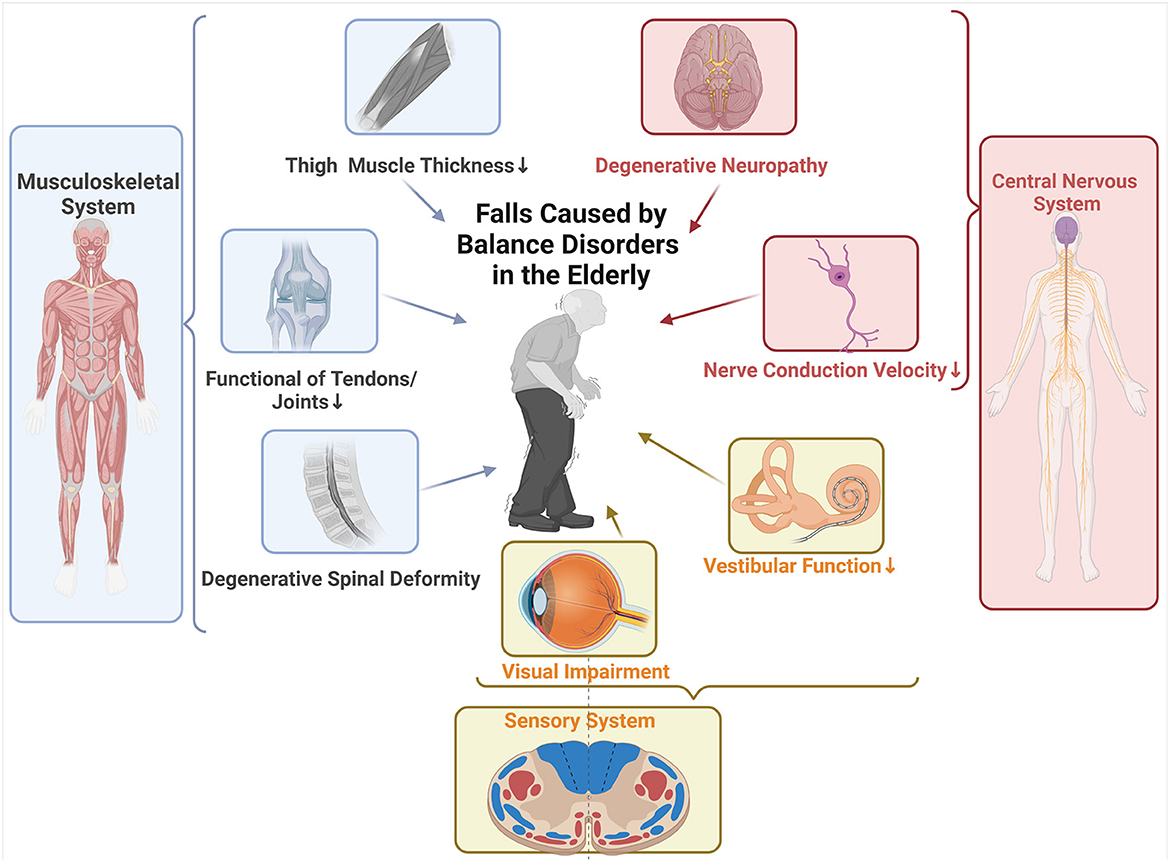
People with ataxia are at a higher risk of falls and injury due to problems with balance, coordination, vision, and muscle control.
Reducing this risk is essential for safety, confidence, and maintaining independence.
Falls are not inevitable — many can be prevented with the right strategies and support.

 4
4
⚖️ Why Falls Are More Likely in Ataxia
Falls may occur due to:
- Poor balance and unsteady walking
- Difficulty turning or stopping
- Leg and foot coordination problems
- Slowed or uncontrolled movements
- Vision or depth-perception issues
- Fatigue and reduced reaction time
- Uneven surfaces or cluttered spaces
Understanding these risks helps prevent accidents.
🏠 Make the Home Safer
Simple home changes can significantly reduce falls:
- Keep floors clear of clutter and loose rugs
- Improve lighting in all rooms and hallways
- Install handrails on stairs and grab bars in bathrooms
- Use non-slip mats in showers and kitchens
- Arrange frequently used items within easy reach
A safer home supports confidence and independence.
👟 Footwear & Clothing
What you wear matters:
- Choose supportive, well-fitting shoes
- Avoid loose slippers or socks on smooth floors
- Use non-slip soles
- Avoid trailing clothing that could cause tripping
Good footwear improves stability.
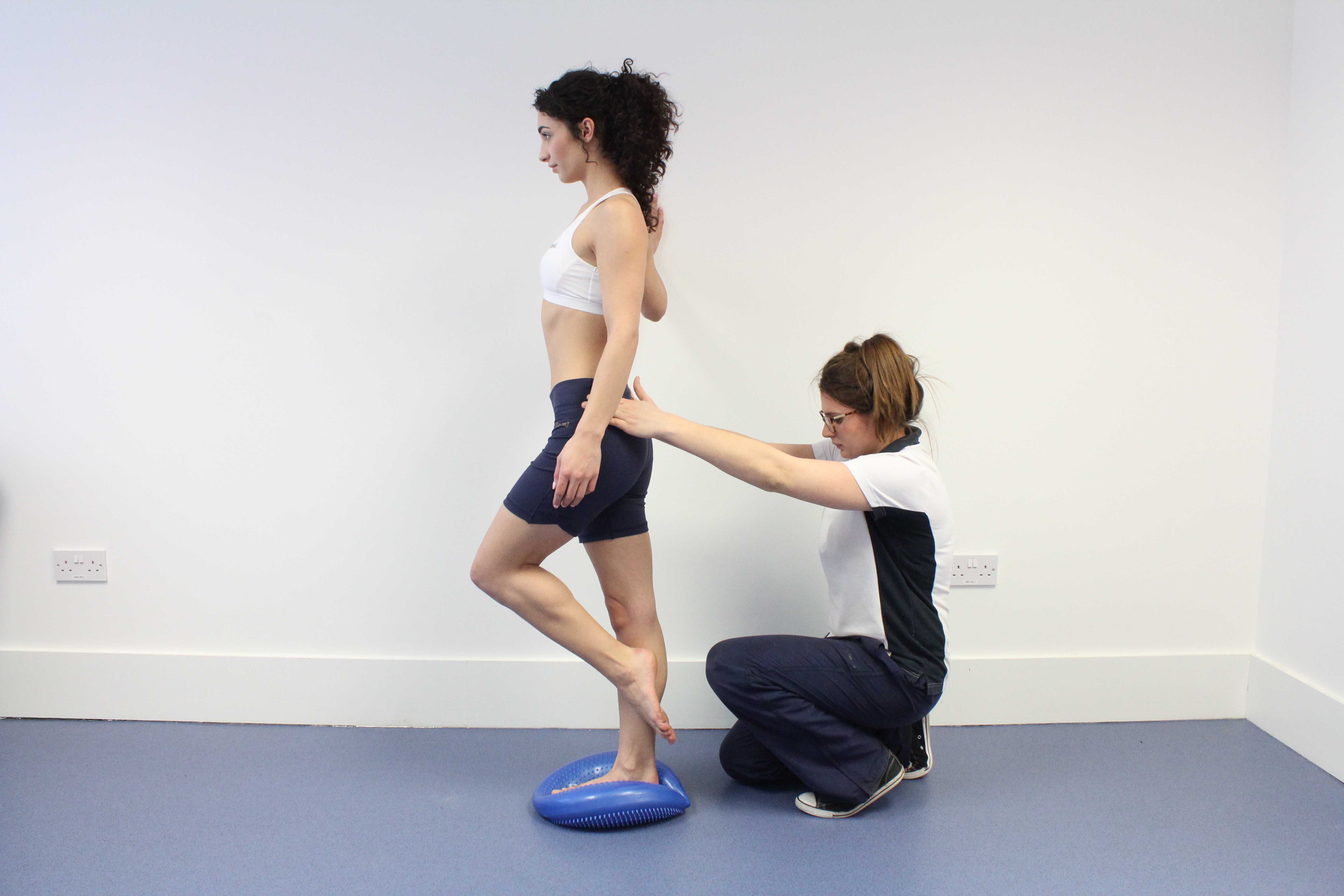
🏃 Movement & Balance Support
Professional support can greatly reduce falls:
- Physiotherapy to improve balance and walking
- Strength and coordination exercises
- Learning safer movement techniques
- Gait training and posture support
Staying active in a controlled and supported way helps reduce risk.
🦽 Using Mobility Aids Safely
Mobility aids are tools for safety — not loss of independence.
They may include:
- Walking sticks
- Frames or rollators
- Handrails or seating supports
Using the right aid at the right time can prevent serious injury.
🧠 Managing Fatigue & Focus
Falls are more likely when tired or distracted:
- Take regular rest breaks
- Avoid rushing
- Focus on one task at a time
- Sit down for tasks when possible
Energy management protects safety.
💊 Medication & Health Review
Falls risk can increase due to:
- Certain medications
- Dizziness or low blood pressure
- Vision changes
Regular medical reviews help identify and reduce these risks.
❤️ Emotional Confidence & Awareness
Fear of falling can lead to reduced activity, which increases risk over time.
Supportive reassurance and gradual confidence-building help people:
- Stay active safely
- Trust their abilities
- Use support without embarrassment
Confidence is a key part of fall prevention.
Key Message
Reducing the risk of falls and injury in ataxia is about prevention, planning, and support.
With home adaptations, therapy, safe movement strategies, and the right equipment, many falls can be avoided.
Staying safe supports independence, confidence, and quality of life.

Achieve Optimal Health Today
Discover the Benefits of ATAXIA
Make Daily Tasks Easier and Safer — ATAXIA
Ataxia can make everyday tasks more challenging due to poor balance, coordination, fatigue, and hand control.
Making tasks easier and safer helps reduce frustration, prevent injury, and maintain independence.
Small changes can make a big difference.
4
🧠 Slow Down & Simplify
Making tasks easier often starts with:
- Allowing extra time
- Doing one task at a time
- Breaking tasks into smaller steps
- Avoiding rushing or multitasking
Slower, deliberate movement improves safety and control.
🏠 Create a Safer Environment
Simple home adjustments can help:
- Keep floors clear and clutter-free
- Improve lighting in all rooms
- Use non-slip mats in bathrooms and kitchens
- Keep frequently used items within easy reach
- Sit down for tasks where possible
A safer environment reduces falls and effort.
✋ Use Helpful Equipment
Adaptive equipment can make tasks safer:
- Weighted or non-slip cutlery
- Built-up grips for pens and tools
- Stable cups with lids
- Reachers or grabbers
- Shower chairs and grab rails
Equipment supports ability, not dependency.
🍽️ Eating & Drinking Safely
Helpful strategies include:
- Sitting upright during meals
- Using plates with raised edges
- Taking smaller bites
- Reducing distractions while eating
- Allowing extra time
These steps improve safety and comfort.
👕 Dressing & Personal Care
Making self-care easier may involve:
- Choosing clothing with Velcro or elastic
- Sitting while dressing
- Using long-handled aids
- Keeping toiletries organised and accessible
This reduces effort and risk of falls.
🧠 Manage Fatigue & Energy
Fatigue increases difficulty and risk:
- Plan tasks for times of higher energy
- Take regular rest breaks
- Spread tasks throughout the day
- Prioritise essential activities
Energy management helps maintain independence.
🤝 Professional Support
Occupational therapists can:
- Assess daily activities
- Suggest practical strategies
- Recommend appropriate equipment
- Support safe routines
Early support prevents problems from becoming overwhelming.
❤️ Key Message
Making daily tasks easier and safer is about adaptation, planning, and support.
With the right strategies and small adjustments, people with ataxia can continue to manage daily life confidently and safely.
Early changes protect long-term independence.

Transform your health today
Welcome to ATAXIA Health Consulting
Improve Confidence & Quality of Life — ATAXIA
Living with ataxia can affect confidence, independence, and emotional wellbeing.
However, with the right support, understanding, and practical strategies, people with ataxia can continue to live meaningful, fulfilling lives.
Improving quality of life is just as important as managing physical symptoms.


 4
4
❤️ Why Confidence Matters
Confidence affects:
- Willingness to stay active
- Social engagement
- Motivation for therapy and self-care
- Emotional wellbeing
- Independence and decision-making
Loss of confidence can limit life more than physical symptoms themselves.
🧠 Understanding & Acceptance
Confidence improves when people:
- Understand what ataxia is (and what it is not)
- Know symptoms are not their fault
- Feel believed and supported
- Have realistic expectations and goals
Knowledge reduces fear and uncertainty.
🏃 Staying Active & Involved
Remaining engaged helps improve wellbeing:
- Gentle physical activity builds confidence in movement
- Therapy supports safer mobility
- Continuing hobbies and interests maintains identity
- Social interaction reduces isolation
Activity supports both mental and physical health.
🛠️ Adapting Life, Not Giving It Up
Quality of life improves through adaptation:
- Using aids or equipment when helpful
- Changing how tasks are done, not stopping them
- Allowing extra time and flexibility
- Creating safe, supportive environments
Adaptation protects independence and dignity.
🧠 Emotional & Psychological Support
Living with ataxia can affect mood and self-esteem. Support may include:
- Counselling or psychological therapy
- Peer support or support groups
- Open conversations with family and carers
- Reassurance during difficult periods
Emotional support is a strength, not a weakness.
🤝 Supportive Relationships
Confidence grows when:
- Family and carers are understanding and patient
- Independence is encouraged, not taken away
- Achievements — even small ones — are recognised
- People feel valued beyond their condition
Positive support makes a lasting difference.
🧑⚕️ Professional Support Makes a Difference
Working with healthcare professionals can help:
- Reduce symptoms that affect daily life
- Improve safety and confidence
- Build coping strategies
- Plan for the future
Early and ongoing support improves long-term quality of life.
🌱 Looking Forward
Many people with ataxia:
- Continue working or volunteering
- Maintain relationships and hobbies
- Find new interests and strengths
- Live with purpose and meaning
Life may change — but it does not stop.
Key Message
Improving confidence and quality of life in ataxia is about support, understanding, adaptation, and empowerment.
With the right care and encouragement, people with ataxia can live positive, engaged, and fulfilling lives.
Quality of life is not defined by limitations — it is shaped by support and possibility.
Achieve Optimal Health with ATAXIA
Welcome to ATAXIA Health Consulting
Support Participation in Work, Education & Hobbies — ATAXIA
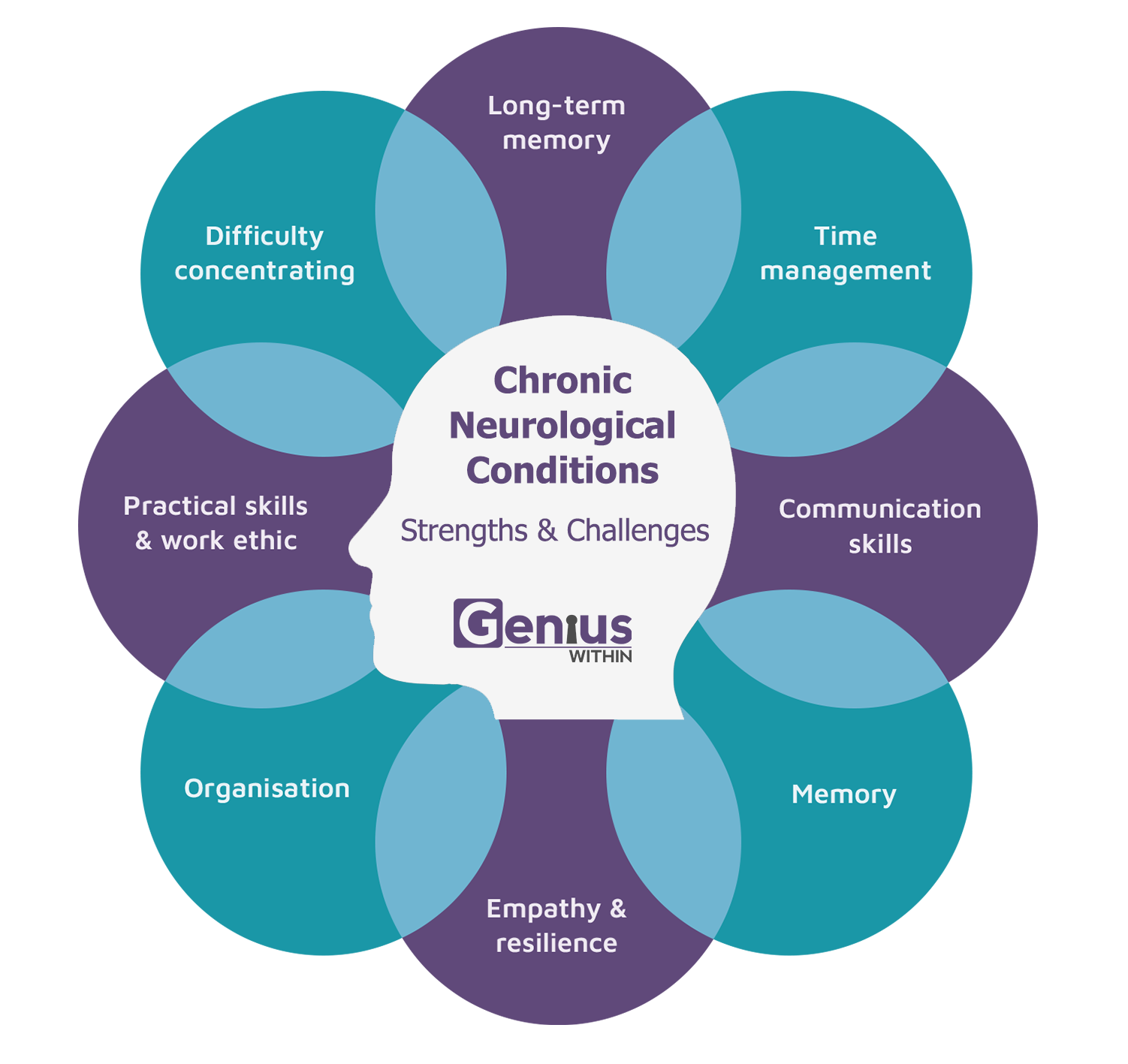
Ataxia can affect balance, coordination, speech, fatigue, and confidence — but it does not remove a person’s skills, intelligence, creativity, or interests.
With the right support and adjustments, many people with ataxia can continue to work, study, and enjoy hobbies that give life meaning and purpose.
Participation supports identity, wellbeing, and quality of life.

 4
4
💼 Support at Work
People with ataxia may remain in work with appropriate support, such as:
- Flexible working hours or reduced hours
- Working from home or hybrid options
- Adjusted workloads or deadlines
- Ergonomic seating and desk setup
- Assistive technology (speech-to-text, adapted keyboards)
- Extra time for tasks or meetings
Small adjustments can make work safer, less tiring, and more sustainable.
🎓 Support in Education & Training
In education, support may include:
- Extra time for exams or coursework
- Alternative ways to complete tasks
- Access to note-taking or recording tools
- Assistive technology for writing or typing
- Flexible attendance or rest breaks
Education support helps people reach their potential, not lower expectations.
🎨 Continuing Hobbies & Interests
Hobbies are vital for confidence and emotional wellbeing.
Support may involve:
- Adapting activities rather than stopping them
- Using specialist or adaptive equipment
- Choosing safer environments or positions
- Allowing extra time and rest
- Exploring new interests that suit changing abilities
Creative, social, and leisure activities help people stay engaged and fulfilled.
🧠 Managing Fatigue & Energy
Fatigue can limit participation if not managed. Helpful strategies include:
- Pacing activities
- Prioritising meaningful tasks
- Scheduling demanding activities during higher-energy times
- Taking regular breaks
Energy management supports long-term participation.
🏠 Environmental & Practical Adjustments
Adjustments may include:
- Accessible layouts at work or study spaces
- Seating with good posture support
- Reduced need for long walking distances
- Clear, well-lit environments
These changes improve safety, focus, and confidence.
🤝 Professional Support
Occupational Therapy and other professionals can help by:
- Assessing work, education, or hobby demands
- Recommending adaptations and equipment
- Supporting confidence and problem-solving
- Liaising with employers, educators, or support services
Early support prevents unnecessary withdrawal from valued activities.
❤️ Emotional Confidence & Inclusion
Feeling included matters.
Confidence grows when:
- Abilities are recognised
- Support is respectful and collaborative
- People are not defined by limitations
- Independence is encouraged
Participation supports self-esteem, motivation, and mental wellbeing.
Key Message
Ataxia should not mean giving up work, education, or hobbies.
With reasonable adjustments, understanding, and the right support, people with ataxia can continue to learn, contribute, create, and enjoy life.
Participation is not a luxury — it is essential to wellbeing.
Transform Your Life with ATAXIA
Transform Your Health with ATAXIA Health Consulting
Dressing, Washing & Personal Care — ATAXIA
Ataxia can make dressing, washing, and personal care more difficult due to problems with balance, coordination, hand control, fatigue, and slowed movement.
With the right strategies and adaptations, many people can continue to manage personal care safely, confidently, and independently.
Support focuses on making tasks easier and safer, not taking independence away.

 4
4

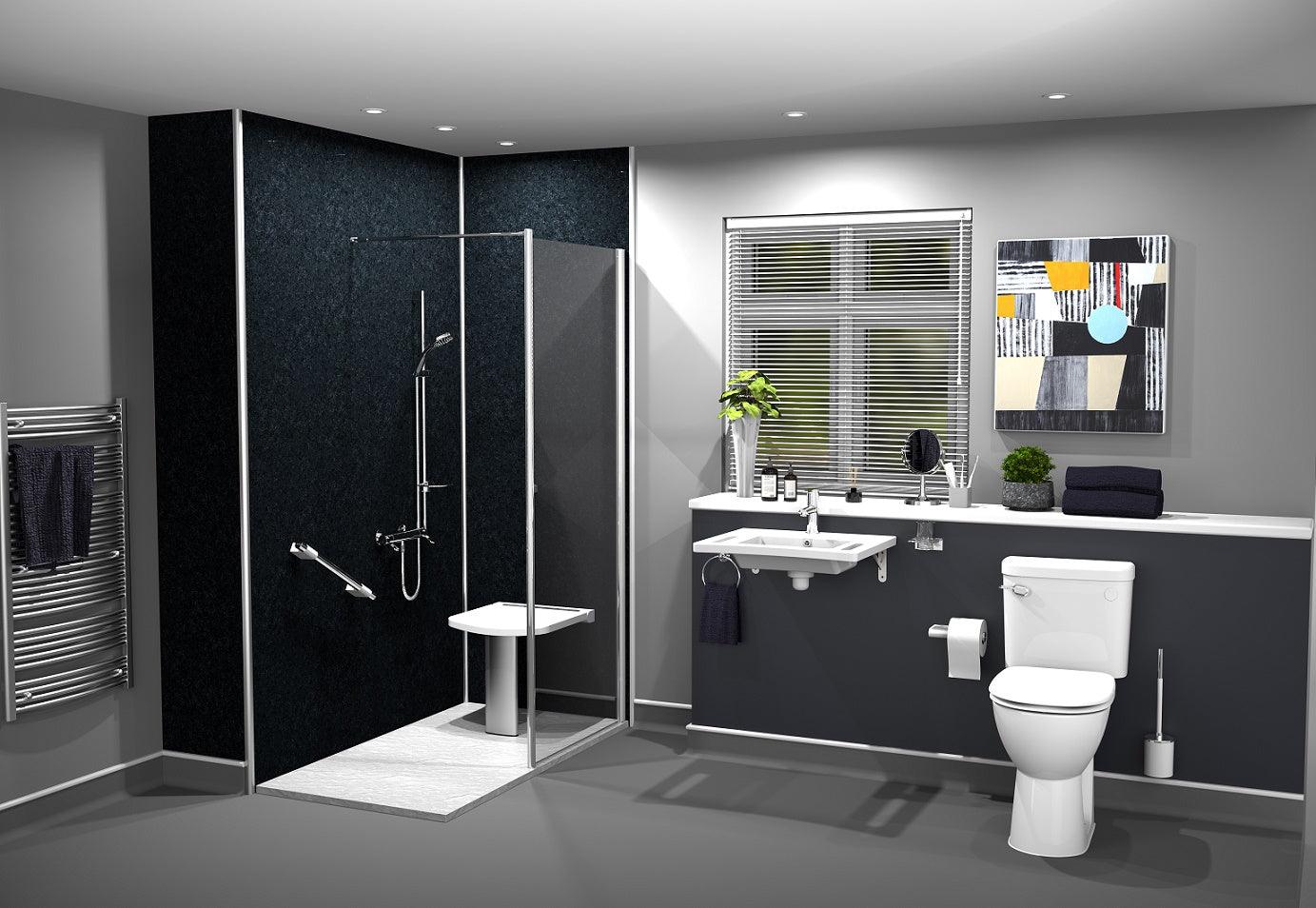
👕 Dressing
Dressing may be challenging due to poor balance or hand coordination.
Helpful strategies include:
- Sitting down while dressing to reduce fall risk
- Choosing clothing with Velcro, elastic waistbands, or magnetic fastenings
- Wearing loose-fitting or stretchy clothing
- Using dressing aids (button hooks, long-handled shoehorns)
- Laying clothes out in the order they are put on
- Allowing extra time and avoiding rushing
These adaptations reduce effort and frustration.
🚿 Washing & Bathing
Washing safely is essential for dignity and confidence.
Support may include:
- Sitting to wash or shower
- Using a shower chair or bath seat
- Installing grab rails near the bath, shower, or toilet
- Using non-slip mats
- Using long-handled sponges
- Keeping toiletries within easy reach
Good lighting and warm, comfortable conditions also help.
🚽 Toileting
Toileting difficulties may arise due to balance or fatigue.
Helpful adaptations include:
- Raised toilet seats
- Grab rails beside the toilet
- Clothing that is easy to manage
- Clear, uncluttered access to the bathroom
These changes improve safety and privacy.
🪥 Grooming & Personal Hygiene
Tasks such as brushing teeth, shaving, or hair care may be easier with:
- Sitting at a mirror
- Using electric toothbrushes or razors
- Built-up or non-slip handles
- Keeping items organised and accessible
Simple changes help maintain independence and self-esteem.
🧠 Managing Fatigue & Safety
Fatigue increases risk during personal care.
Helpful approaches include:
- Choosing the best time of day for washing or dressing
- Taking breaks when needed
- Avoiding multitasking
- Asking for support on difficult days
Energy management supports long-term independence.
🤝 Professional Support
An Occupational Therapist can:
- Assess personal care routines
- Recommend practical strategies and equipment
- Suggest home adaptations
- Support confidence and independence
Early support helps prevent accidents and loss of confidence.
❤️ Emotional Wellbeing & Dignity
Struggling with personal care can feel frustrating or embarrassing.
Respect, patience, reassurance, and choice are essential.
Maintaining dignity is just as important as physical safety.
Key Message
Dressing, washing, and personal care can remain safe and manageable with ataxia through adaptation, planning, and the right support.
Small changes protect independence, confidence, and quality of life.
Early support allows people to stay in control of their personal care for longer.

Achieve Optimal Health Today
Discover the Benefits of ATAXIA
Eating & Drinking Safely — ATAXIA
Ataxia can affect hand control, posture, coordination, and swallowing, making eating and drinking more challenging.
Eating safely is essential to prevent choking, aspiration, spills, fatigue, and anxiety.
With the right strategies and support, many people with ataxia can continue to eat and drink safely and confidently.


 4
4
⚠️ Why Eating & Drinking Can Be Difficult in Ataxia
Difficulties may occur due to:
- Poor hand and arm coordination
- Tremor or shaking during movement
- Difficulty sitting upright and stable
- Slowed or uncoordinated swallowing
- Fatigue during meals
- Reduced awareness of food or drink in the mouth
Understanding these challenges helps reduce risk.
🪑 Posture & Positioning
Good positioning is key to safe swallowing:
- Sit upright at a table or in a supportive chair
- Keep feet flat on the floor if possible
- Avoid lying back or slouching during meals
- Stay upright for at least 30 minutes after eating
Proper posture reduces choking and aspiration risk.
🍽️ Using Helpful Equipment
Adaptive equipment can improve safety and independence:
- Weighted or non-slip cutlery
- Plates with raised edges or plate guards
- Non-slip mats under plates and bowls
- Lidded or two-handled cups
- Straws or controlled-flow cups (if recommended)
Equipment supports ability, not dependence.
🍲 Food & Drink Strategies
Helpful approaches include:
- Taking small bites and sips
- Eating slowly and deliberately
- Avoiding talking while chewing or swallowing
- Reducing distractions during meals
- Choosing foods that are easier to manage
- Cutting food into small, manageable pieces
Texture changes may be recommended by a professional if needed.
🧠 Swallowing Safety
Some people with ataxia experience swallowing difficulties.
Warning signs include:
- Coughing or choking when eating or drinking
- Wet or gurgly voice after swallowing
- Food sticking in the throat
- Frequent chest infections
- Weight loss or dehydration
If these occur, a Speech & Language Therapist assessment is important.
🧠 Managing Fatigue During Meals
Eating can be tiring with ataxia.
Helpful strategies:
- Choose the time of day when energy is highest
- Take breaks during meals
- Eat smaller, more frequent meals
- Use supportive seating
Reducing fatigue improves safety and enjoyment.
🤝 Professional Support
Support may include:
- Speech & Language Therapy for swallowing assessment and advice
- Occupational Therapy for adaptive equipment and positioning
- Medical review if swallowing worsens
Early support prevents complications and builds confidence.
❤️ Emotional Confidence & Dignity
Eating difficulties can feel embarrassing or stressful.
Patience, reassurance, and a calm environment help reduce anxiety.
Enjoying food is an important part of quality of life and social connection.
Key Message
Eating and drinking safely with ataxia is achievable through good positioning, adaptive tools, pacing, and professional support.
Small changes can greatly reduce risk and help people continue to eat with confidence, comfort, and dignity.
Early assessment and support make a real difference.

Achieve Optimal Health with ATAXIA
Welcome to ATAXIA Health Consulting
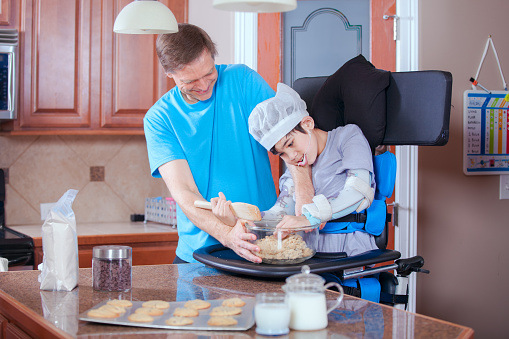
Cooking & Meal Preparation — ATAXIA
Ataxia can make cooking and meal preparation more challenging due to poor balance, coordination, hand control, fatigue, and slowed movements.
With the right strategies and adaptations, many people can continue to cook safely, confidently, and independently.
The goal is to reduce risk, save energy, and maintain enjoyment of food preparation.
 4
4

⚠️ Common Challenges in the Kitchen
People with ataxia may experience:
- Difficulty standing for long periods
- Poor hand control when chopping or pouring
- Tremor or shaking during tasks
- Balance problems when moving around the kitchen
- Fatigue before meals are finished
- Increased risk of cuts, burns, or spills
Recognising these challenges helps prevent accidents.
🪑 Positioning & Energy Saving
Reducing effort improves safety:
- Sit on a high stool or chair when preparing food
- Prepare meals in short stages with breaks
- Cook at times of day when energy is highest
- Avoid rushing or multitasking
Saving energy helps maintain independence.
🔪 Using Safer Kitchen Equipment
Helpful tools include:
- Non-slip chopping boards
- Knife guards or rocker knives
- Easy-grip utensils
- Electric can openers
- Kettle-tippers or lightweight kettles
- Stable pans with two handles
Adaptive equipment supports control and confidence.
🍳 Simplifying Meal Preparation
Practical strategies include:
- Preparing simple meals with fewer steps
- Using pre-chopped or frozen vegetables
- Cooking larger portions and freezing leftovers
- Using slow cookers or air fryers
- Keeping frequently used items within easy reach
Simplifying tasks reduces fatigue and risk.
🔥 Heat & Burn Safety
Extra care is important around heat:
- Use back rings on the cooker when possible
- Turn pan handles inward
- Avoid carrying hot liquids across the kitchen
- Let food cool slightly before moving
- Use oven gloves with good grip
Burn prevention is essential for safety.
🏠 Kitchen Layout & Safety
A safer kitchen environment includes:
- Clear walkways and uncluttered surfaces
- Good lighting over work areas
- Non-slip flooring
- Frequently used items stored at waist height
- Easy access to seating
Small layout changes can make a big difference.
🤝 Professional Support
An Occupational Therapist can:
- Assess kitchen safety
- Recommend equipment and adaptations
- Suggest safer cooking techniques
- Support confidence and independence
Early support prevents accidents and loss of confidence.
❤️ Confidence, Enjoyment & Dignity
Cooking is more than a task — it supports identity, independence, and enjoyment.
With patience, encouragement, and the right adjustments, many people continue to enjoy preparing meals.
Key Message
Cooking and meal preparation can remain safe and achievable with ataxia through adaptation, planning, and support.
Small changes reduce risk, save energy, and help people continue to prepare food with confidence and dignity.
Early adjustments protect long-term independence.
Discover a Healthier You with ATAXIA
Welcome to ATAXIA!
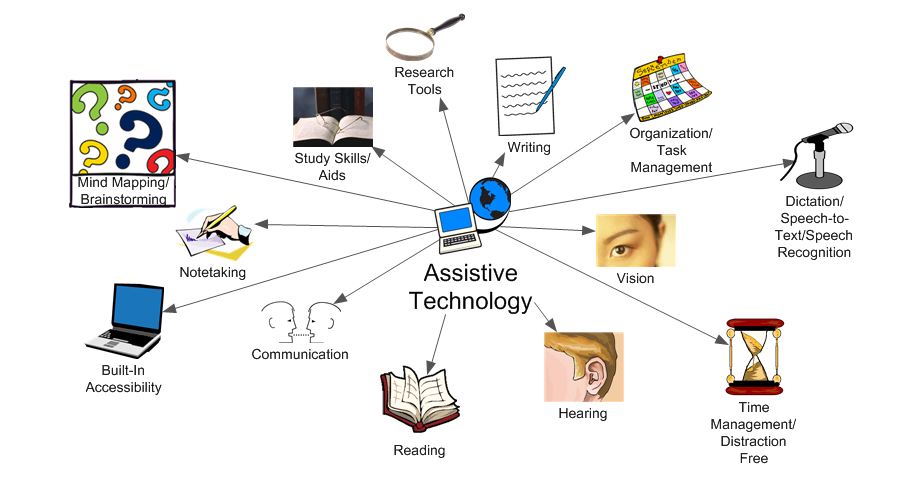
Writing, Typing & Using Technology — ATAXIA
Ataxia can affect hand coordination, fine motor control, speed, and accuracy, making writing, typing, and using technology more difficult.
With the right tools, techniques, and adaptations, many people can continue to communicate, work, learn, and stay connected.
Technology should support independence, not create barriers.
 4
4
✍️ Writing Difficulties
Writing by hand may be affected by:
- Shaky or unsteady movements
- Poor grip control
- Fatigue during longer tasks
- Slower writing speed
Helpful strategies include:
- Using pens with built-up or weighted grips
- Writing on non-slip surfaces
- Resting the arm on the table for stability
- Writing in short sessions with breaks
- Using lined or larger-print paper
These adjustments improve control and reduce frustration.
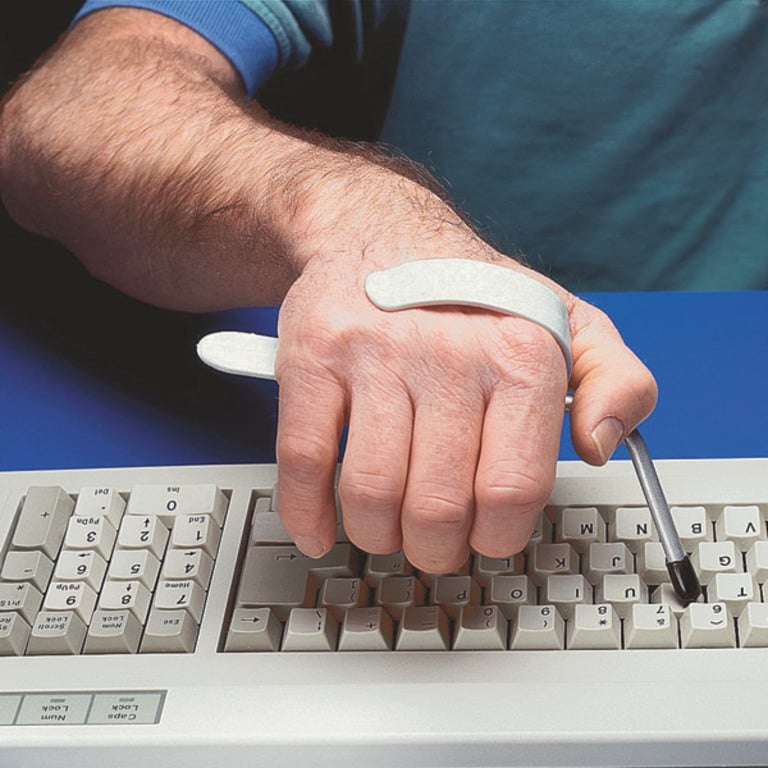
⌨️ Typing & Computer Use
Typing may become difficult due to coordination or tremor.
Supportive options include:
- Large-key or ergonomic keyboards
- Keyguards to prevent pressing the wrong keys
- Slower typing speeds with fewer errors
- Using keyboard shortcuts instead of mouse movements
- Adjustable desks and supportive seating
Comfortable positioning improves accuracy and endurance.
🎙️ Voice & Alternative Input Options
Technology offers powerful alternatives to typing:
- Speech-to-text (voice dictation)
- Voice assistants for messages, reminders, and searches
- On-screen keyboards
- Predictive text and auto-correct tools
These options reduce physical effort while maintaining independence.
📱 Using Phones, Tablets & Touchscreens
Touchscreens can be challenging due to reduced precision.
Helpful strategies include:
- Using stylus pens
- Increasing screen sensitivity and icon size
- Enabling accessibility features
- Using phone stands to avoid holding devices
- Reducing the need for fine finger movements
Customising settings makes devices easier and safer to use.
🧠 Managing Fatigue & Focus
Using technology can be tiring.
Helpful approaches:
- Take regular breaks
- Use devices at times of higher energy
- Reduce screen clutter and distractions
- Focus on one task at a time
Energy management improves accuracy and comfort.
🤝 Professional Support
An Occupational Therapist can:
- Assess writing and technology needs
- Recommend adaptive tools and software
- Help set up devices and accessibility settings
- Support work, education, and daily communication
Early support prevents unnecessary loss of confidence.
❤️ Confidence & Communication
Difficulty with writing or typing can affect confidence and self-expression.
Reassurance, patience, and the right tools help people stay heard, involved, and connected.
Technology can be an enabler, not a limitation.
Key Message
Writing, typing, and using technology can remain accessible with ataxia through adaptation, assistive tools, and support.
With the right setup, people can continue to communicate, work, learn, and engage confidently.
Early adjustments protect independence and quality of life.
Transform your health today
Transform Your Health with ATAXIA Health Consulting
Managing Fatigue & Energy Levels — ATAXIA
Fatigue is a common and often underestimated symptom of ataxia.
It can affect physical strength, concentration, balance, mood, and the ability to complete everyday tasks.
Managing energy well helps people stay active, safe, and independent for longer.
 4
4
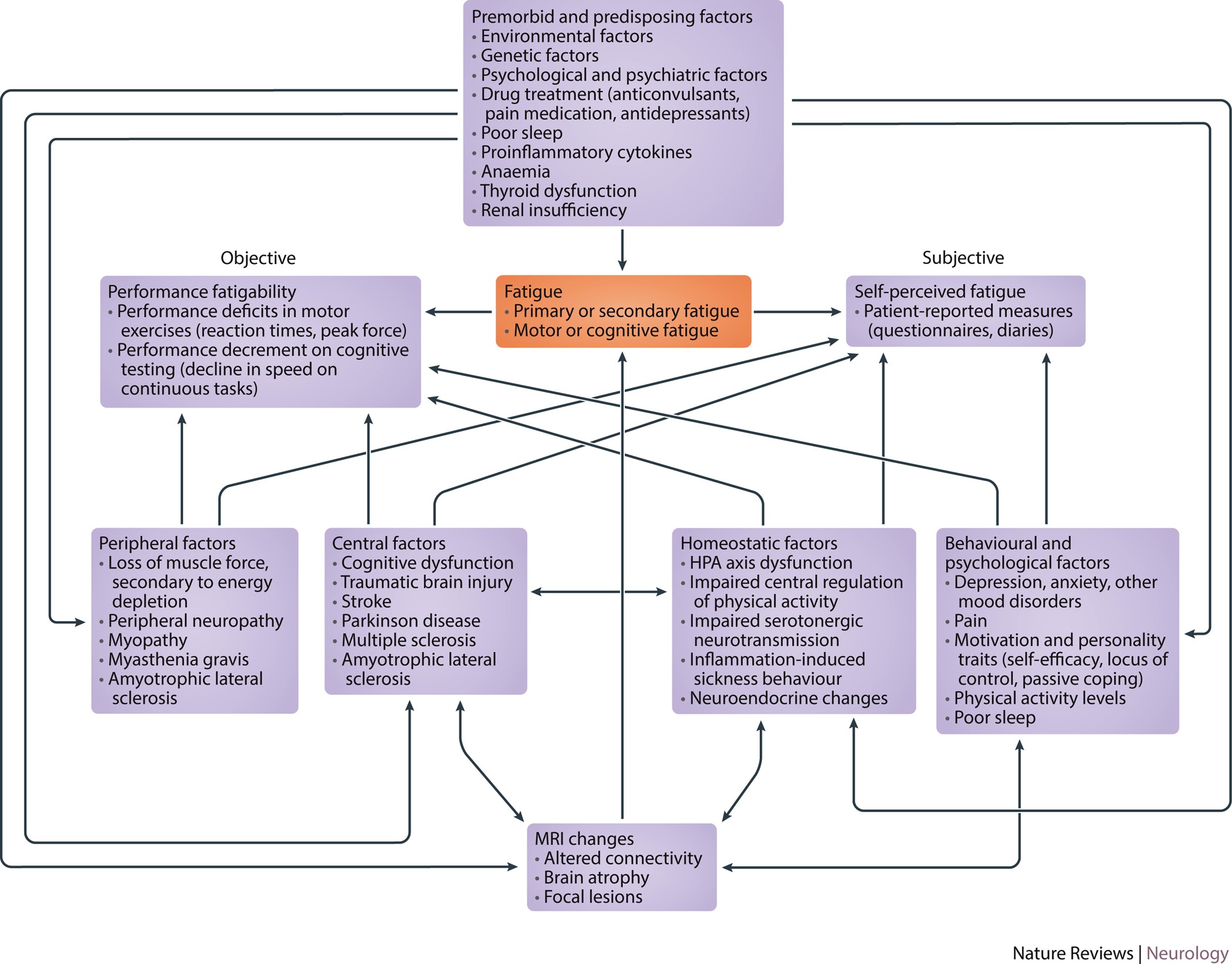
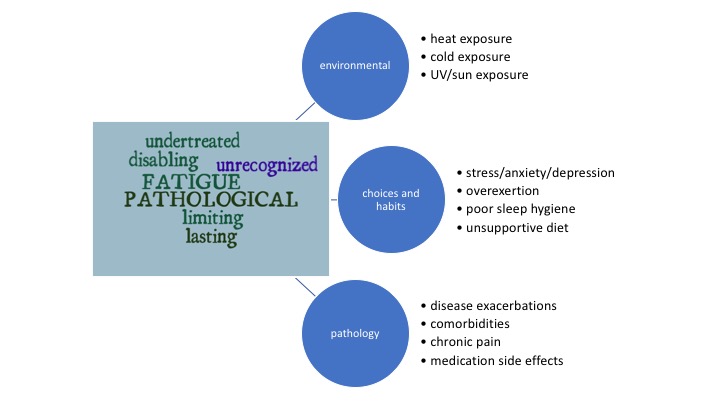
🧠 Why Fatigue Happens in Ataxia
Fatigue in ataxia may be caused by:
- Increased effort needed for movement and balance
- Constant concentration to control movements
- Muscle overuse due to poor coordination
- Interrupted sleep
- Emotional stress or anxiety
- Side effects of medication
Fatigue can be physical, mental, or both.
⚠️ How Fatigue Affects Daily Life
Fatigue may lead to:
- Reduced balance and increased fall risk
- Slower movement and reaction time
- Difficulty concentrating or thinking clearly
- Reduced motivation
- Frustration or low mood
- Withdrawal from activities
Managing fatigue is essential for safety and quality of life.
⏳ Pacing Activities
Pacing helps prevent exhaustion:
- Break tasks into smaller steps
- Take regular rest breaks
- Stop before becoming overly tired
- Avoid doing too much on “good days”
Consistent pacing prevents long recovery periods.
🗓️ Planning & Prioritising
Energy is limited — use it wisely:
- Plan important tasks for times of higher energy
- Spread activities throughout the day or week
- Prioritise meaningful or essential tasks
- Combine tasks where possible to reduce effort
Planning reduces stress and overexertion.
🪑 Rest & Recovery
Rest is a management strategy, not a failure:
- Schedule rest breaks into daily routines
- Use supportive seating or lying positions
- Rest before fatigue becomes overwhelming
Quality rest improves endurance and focus.
🏃 Staying Active (Safely)
Although rest is important, gentle activity helps reduce fatigue over time:
- Physiotherapy-guided exercise
- Gentle stretching or movement
- Short, regular activity rather than long sessions
Balanced activity supports strength and stamina.
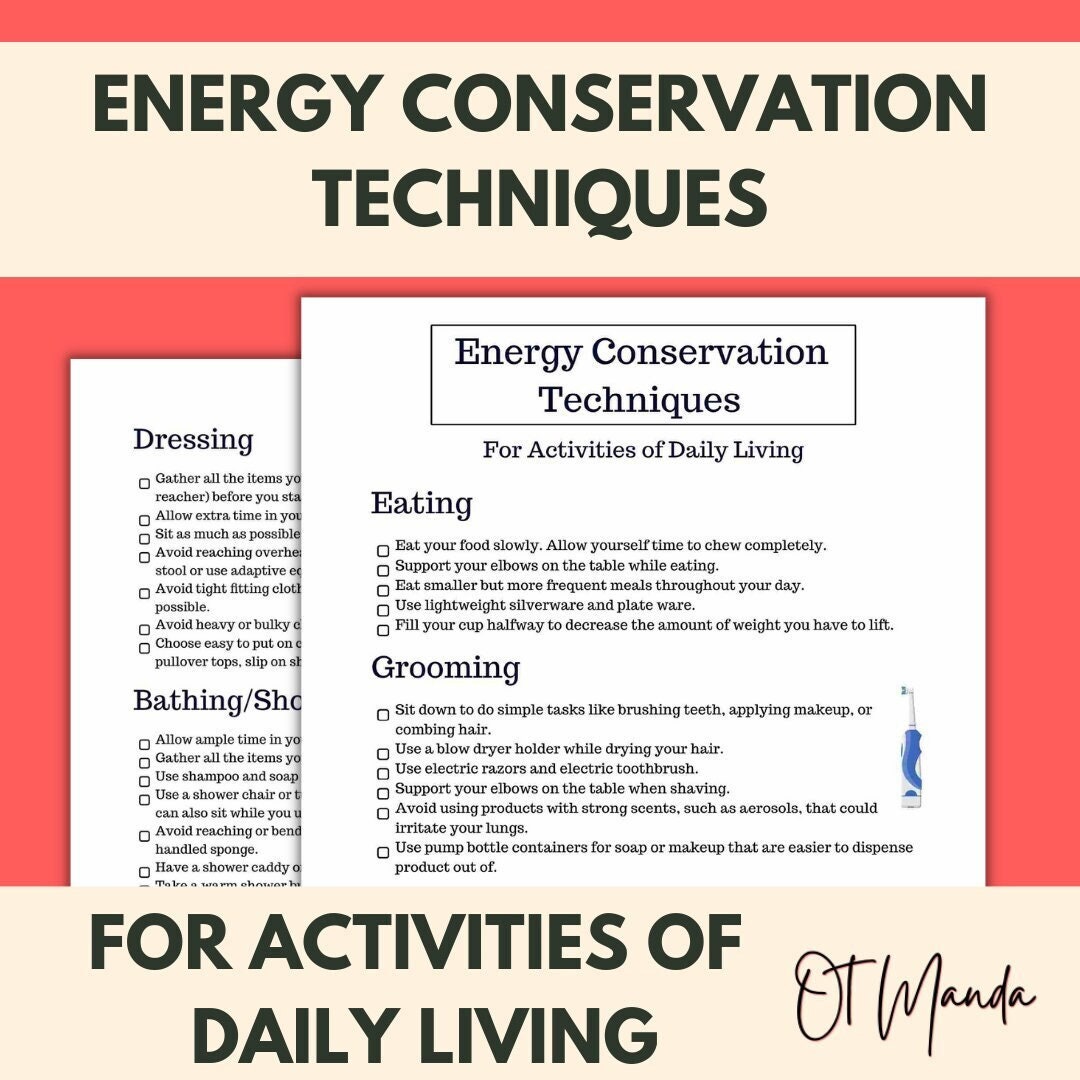
🛠️ Practical Energy-Saving Strategies
Helpful approaches include:
- Sitting for tasks where possible
- Using adaptive equipment
- Keeping frequently used items within reach
- Reducing unnecessary movement
- Avoiding rushing or multitasking
Saving energy improves safety and confidence.
🧑⚕️ Professional Support
Support may include:
- Occupational Therapy for energy conservation strategies
- Physiotherapy to improve movement efficiency
- Medical review to address sleep, pain, or medication effects
- Emotional support for coping with fatigue
Early support prevents fatigue from becoming disabling.
❤️ Emotional Wellbeing & Understanding
Fatigue is real and not a sign of weakness.
Understanding, patience, and realistic expectations help reduce guilt and frustration.
Feeling believed and supported improves confidence and wellbeing.
Key Message
Managing fatigue and energy levels is a key part of living well with ataxia.
With pacing, planning, rest, and the right support, people can protect their energy, stay safer, and enjoy a better quality of life.
Fatigue management supports independence, dignity, and participe believe that good health is the foundation for a happy life. Our team of experienced health consultants are dedicated to helping you achieve optimal health and wellness through evidence-based practices. Whether you are looking to lose weight, improve your fitness, or manage a chronic condition, we are here to support you every step of the way.

Achieve Optimal Health Today
Welcome to ATAXIA Health Consulting
Household Tasks & Routines — ATAXIA
Ataxia can make household tasks more challenging due to balance problems, coordination difficulties, fatigue, and slowed movements.
With the right strategies, adaptations, and routines, many people can continue to manage household activities safely and confidently.
The focus is on simplifying tasks, saving energy, and reducing risk.

 4
4
🏠 Common Household Challenges
People with ataxia may find difficulty with:
- Cleaning and tidying
- Laundry and ironing
- Making beds
- Carrying items around the home
- Managing stairs
- Standing for long periods
- Completing tasks without becoming fatigued
Recognising these challenges helps prevent accidents and frustration.
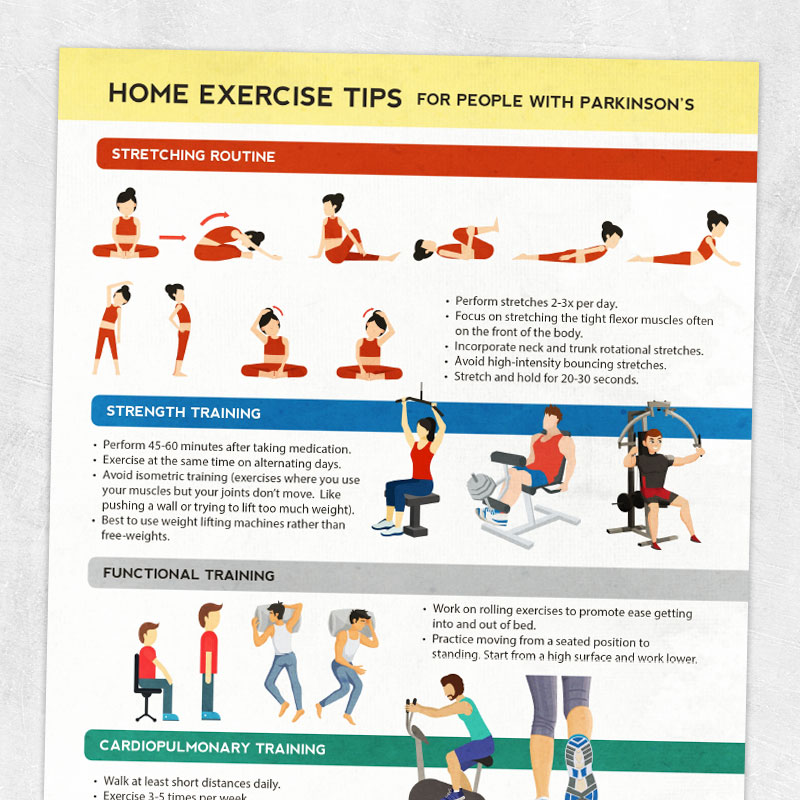
🛠️ Simplifying Household Tasks
Helpful strategies include:
- Breaking tasks into smaller steps
- Completing tasks over several short sessions
- Sitting down for tasks where possible
- Avoiding rushing or multitasking
- Using lightweight or easy-grip tools
Doing “a little and often” is safer and more sustainable.
⏳ Creating Supportive Routines
Routines help conserve energy and reduce stress:
- Do household tasks at times of higher energy
- Spread tasks across the day or week
- Alternate physical tasks with rest
- Keep a consistent daily routine
Predictable routines improve confidence and control.
🧹 Using Adaptive Equipment
Adaptive tools can make household tasks easier:
- Lightweight vacuum cleaners or sweepers
- Long-handled dusters and grabbers
- Laundry baskets with wheels
- Non-slip mats and stable surfaces
- Chairs or stools for seated tasks
Equipment supports independence, not dependence.
🏡 Home Organisation & Safety
A well-organised home reduces risk:
- Keep walkways clear and uncluttered
- Store frequently used items within easy reach
- Improve lighting throughout the home
- Avoid carrying heavy or awkward loads
- Use handrails on stairs
A safer environment supports confidence and independence.
🧠 Managing Fatigue During Household Tasks
Fatigue can increase fall risk and frustration.
Helpful approaches:
- Take regular rest breaks
- Stop before becoming exhausted
- Prioritise essential tasks
- Accept help on low-energy days
Energy management protects long-term independence.
🤝 Professional & Practical Support
An Occupational Therapist can:
- Assess household routines
- Suggest task adaptations
- Recommend helpful equipment
- Support safe and realistic routines
Community support or home help may also be useful when needed.
❤️ Emotional Wellbeing & Self-Worth
Struggling with household tasks can affect confidence.
Reassurance, patience, and focusing on what can still be done are important.
Household routines are about living well, not perfection.
Key Message
Household tasks and routines can remain manageable with ataxia through planning, adaptation, and support.
Small changes reduce effort, improve safety, and help people stay independent, confident, and in control of daily life.
Early support allows routines to adapt gradually and positively.
Discover a Healthier You with ATAXIA
Welcome to ATAXIA Health Consulting
Assess Home Environments for Safety — ATAXIA
Ataxia increases the risk of falls, trips, and injury due to problems with balance, coordination, vision, and fatigue.
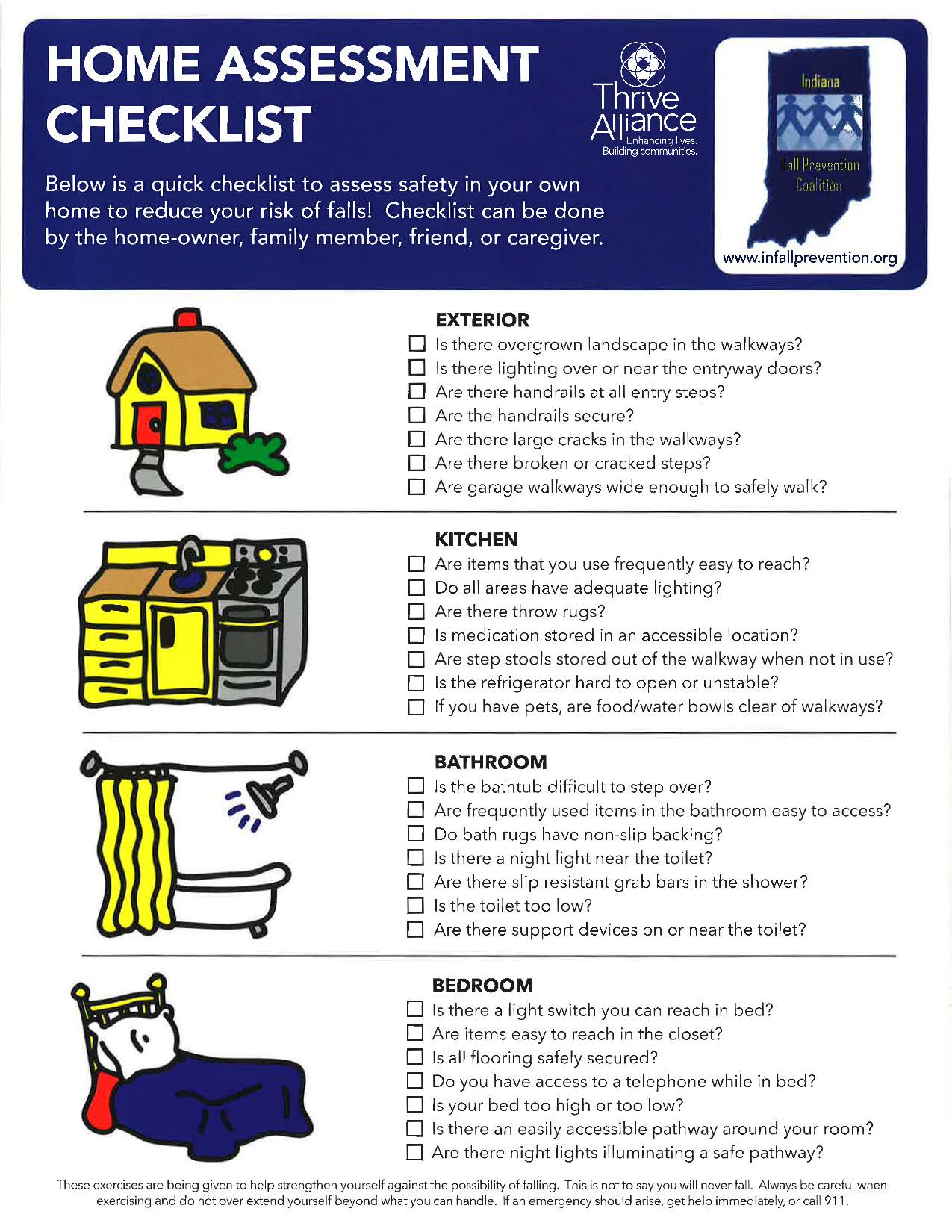
Assessing the home environment helps identify risks and make simple changes that improve safety, confidence, and independence.
Home safety assessments are about prevention, not restriction.

 4
4
🏠 Why Home Safety Matters
A safe home environment:
- Reduces risk of falls and injury
- Supports independent movement
- Improves confidence and peace of mind
- Helps people stay at home for longer
- Reduces fear of everyday activities
Many hazards are easy to fix once identified.
⚠️ Common Home Safety Risks in Ataxia
Risks may include:
- Cluttered walkways
- Loose rugs or trailing cables
- Poor lighting
- Slippery bathroom or kitchen floors
- Stairs without handrails
- Furniture that is unstable or too low
- Items stored out of easy reach
These risks increase when fatigue is present.
🧑⚕️ Who Can Assess Home Safety?
A home safety assessment is often carried out by:
- Occupational Therapists (OTs)
- Community health or social care teams
- Falls-prevention services
They assess how a person moves through their home, not just the layout.
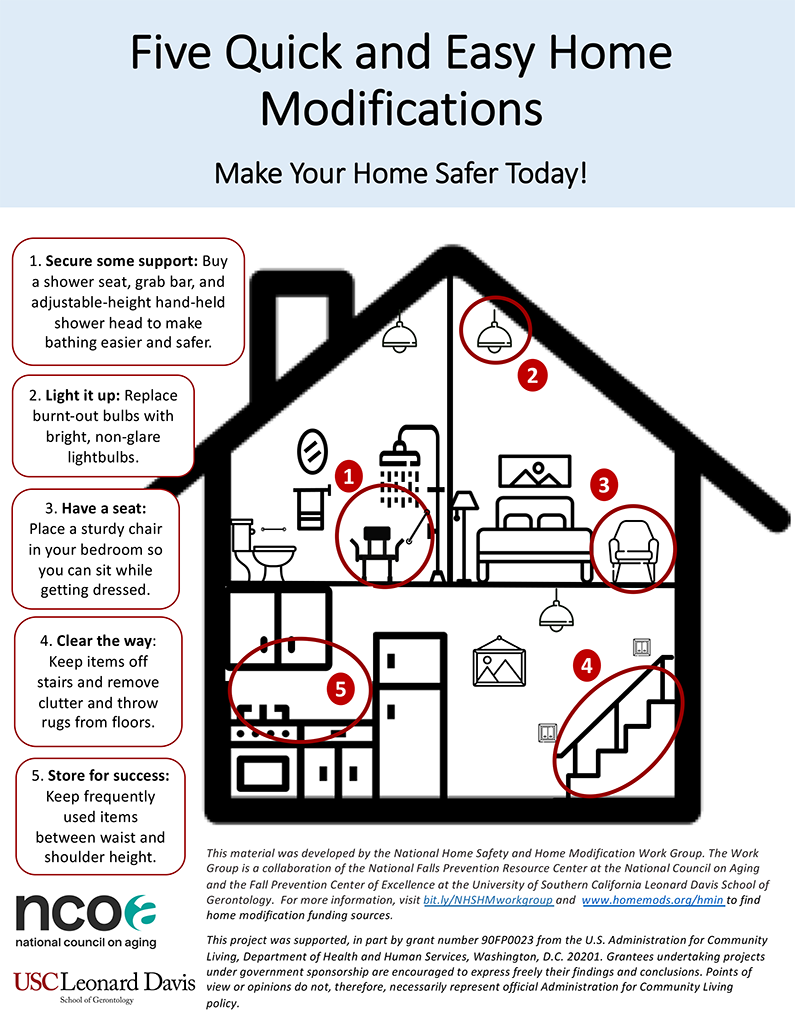
🛠️ Typical Safety Recommendations
Following an assessment, recommendations may include:
- Removing loose rugs and clutter
- Improving lighting in halls, stairs, and bathrooms
- Installing grab rails or handrails
- Using non-slip mats
- Rearranging furniture for clear pathways
- Raising or stabilising chairs and beds
- Storing frequently used items at waist height
Small changes can have a big impact.
🚿 Bathroom & Kitchen Safety
High-risk areas often need extra support:
- Grab rails near toilets, showers, and baths
- Shower chairs or bath seats
- Non-slip flooring or mats
- Easy-grip taps and utensils
- Seating for food preparation
These areas benefit greatly from assessment.
🧠 Supporting Confidence & Independence
A safer home:
- Encourages movement rather than avoidance
- Reduces fear of falling
- Supports confidence in daily tasks
- Helps people remain active
Safety adaptations support independence, not limit it.
🤝 Reviewing Safety Over Time
Ataxia symptoms may change, so:
- Home safety should be reviewed regularly
- Adaptations may need updating
- New risks should be addressed early
Ongoing review prevents accidents before they happen.
❤️ Key Message
Assessing the home environment for safety is a key part of living well with ataxia.
With professional assessment and practical adaptations, homes can be made safer, more accessible, and more supportive of independence.
Early assessment reduces risk and protects confidence.
Achieve Optimal Health Today
Welcome to ATAXIA Health Consulting
Recommend Adaptations such as Handrails, Grab Bars & Seating — ATAXIA
Ataxia can make moving around the home more difficult due to balance problems, reduced coordination, fatigue, and slowed reactions.
Simple adaptations such as handrails, grab bars, and supportive seating can greatly improve safety, confidence, and independence.
These adaptations are about supporting movement, not limiting it.


 4
4
🧱 Handrails
Handrails provide steady support when moving or changing position.
They are commonly recommended for:
- Stairs (both sides if possible)
- Hallways or long corridors
- Entryways and door thresholds
Benefits include:
- Improved balance and stability
- Reduced risk of falls
- Greater confidence when moving independently
Handrails should be secure, easy to grip, and positioned at the correct height.
🚿 Grab Bars
Grab bars give extra support during transfers and personal care.
They are often installed:
- Near toilets
- In showers and baths
- Beside sinks
- Next to steps or level changes
Benefits include:
- Safer sitting and standing
- Reduced strain on joints and muscles
- Increased independence in personal care
Grab bars should always be professionally fitted to ensure safety.
🪑 Supportive Seating
Good seating helps manage balance, posture, and fatigue.
Supportive seating may include:
- Chairs with armrests to help standing up
- Chairs with firm cushions and good back support
- Raised seating to reduce effort
- Shower chairs or bath seats
Benefits include:
- Easier transfers
- Reduced fatigue
- Improved posture and comfort
- Safer personal care and daily activities
🏠 Where Adaptations Help Most
Adaptations are especially helpful in:
- Bathrooms
- Kitchens
- Stairways
- Bedrooms
- Entryways
These areas often carry the highest risk of falls.
🧑⚕️ Professional Assessment & Advice
An Occupational Therapist can:
- Assess individual movement and balance needs
- Recommend the most suitable adaptations
- Advise on correct placement and height
- Arrange installation through local services if available
Professional assessment ensures adaptations are effective and appropriate.
🧠 Supporting Independence & Confidence
Well-chosen adaptations:
- Encourage safe movement
- Reduce fear of falling
- Support independence rather than dependence
- Allow people to remain active in their own homes
Feeling safe helps people stay confident and engaged.
Key Message
Handrails, grab bars, and supportive seating are simple but powerful adaptations for people living with ataxia.
When correctly assessed and installed, they significantly improve safety, comfort, and independence.
Early adaptations help prevent accidents and protect quality of life.
Achieve Optimal Health with ATAXIA
Discover the Benefits of ATAXIA
Advise on Bathroom & Kitchen Safety — ATAXIA
Bathrooms and kitchens are high-risk areas for people with ataxia due to slippery surfaces, heat, water, sharp objects, balance problems, and fatigue.
With the right safety advice and adaptations, these spaces can be made much safer, more accessible, and easier to use independently.
Safety improvements support confidence, dignity, and independence.


🚿 Bathroom Safety
Bathrooms pose a high fall risk due to water and smooth surfaces.
Key Safety Recommendations
- Install grab bars near toilets, showers, and baths
- Use non-slip mats inside and outside the shower or bath
- Use a shower chair or bath seat
- Fit a raised toilet seat if standing is difficult
- Ensure good lighting, especially at night
- Keep toiletries within easy reach
- Sit down for washing or grooming where possible
Why This Helps
- Reduces slips and falls
- Makes sitting and standing safer
- Supports independence in personal care
- Reduces fatigue and fear
🍳 Kitchen Safety
Kitchens involve heat, sharp tools, and frequent movement.
Key Safety Recommendations
- Sit on a high stool or chair for food preparation
- Use non-slip mats on floors and worktops
- Choose easy-grip utensils and lightweight cookware
- Use kettle-tippers or lightweight kettles
- Turn pan handles inward and use back hob rings
- Avoid carrying hot liquids across the kitchen
- Keep frequently used items at waist height
- Keep walkways clear and uncluttered
Why This Helps
- Reduces risk of burns, cuts, and spills
- Saves energy and reduces fatigue
- Improves control and confidence
- Supports continued independence in cooking
🧠 General Safety Tips for Both Areas
- Avoid rushing or multitasking
- Take regular breaks to manage fatigue
- Wear non-slip footwear
- Clean up spills immediately
- Use seating whenever possible
- Focus on one task at a time
Fatigue and distraction significantly increase risk.
🧑⚕️ Professional Support
An Occupational Therapist can:
- Assess bathroom and kitchen safety
- Recommend specific adaptations
- Advise on equipment and layout
- Support safer routines and techniques
Professional advice ensures adaptations are appropriate and effective.
❤️ Key Message
Bathrooms and kitchens can be made safe and manageable with ataxia through simple adaptations, thoughtful layout, and safe routines.
Early safety advice reduces accidents, protects independence, and builds confidence.
Small changes can prevent serious injury.
