- Home
- ATAXIA
- SIGNS AND SYMPTOMS
- MOVEMENT PROBLEMS
- Temporary Causes
- PROGRESSIVE CAUSES
- Is Ataxia Curable?
- Emotional Support
- WHEN TO SEEK ADVICE
- Ataxia May Affect Daily
- Management & Support
- OCCUPATIONAL THERAPY
- RISK OF FALLS
- PERSONAL CARE
- COOKING AND MEAL PREPARE
- Managing fatigue
- Household tasks
- HOME AASESSMENT
- HOME ADAPTATIONS
- Assistive Aids
- Vitamin & Nutritional
- INFECTIONS
- EMOTONAL SUPPORT. 2
- Mental Health Support
- Medical Support
- Ongoing Monitoring
- Part of a Care Team
- ATAXIA RADDIO
- MOVEMENT
- STAGES
- STAGE 1-9
Transform Your Life with ATAXIA
Transform Your Health with ATAXIA Health Consulting
Cooking & Meal Preparation — ATAXIA
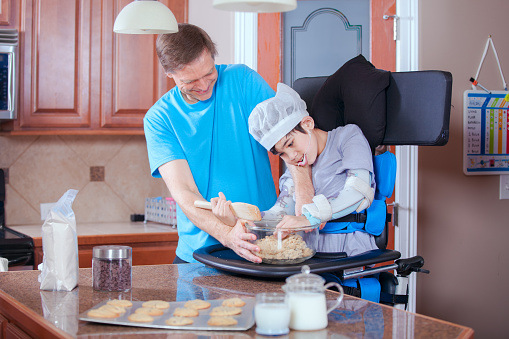
Ataxia can make cooking and meal preparation more challenging due to poor balance, coordination, hand control, fatigue, and slowed movements.
With the right strategies and adaptations, many people can continue to cook safely, confidently, and independently.
The goal is to reduce risk, save energy, and maintain enjoyment of food preparation.
 4
4

⚠️ Common Challenges in the Kitchen
People with ataxia may experience:
- Difficulty standing for long periods
- Poor hand control when chopping or pouring
- Tremor or shaking during tasks
- Balance problems when moving around the kitchen
- Fatigue before meals are finished
- Increased risk of cuts, burns, or spills
Recognising these challenges helps prevent accidents.
🪑 Positioning & Energy Saving
Reducing effort improves safety:
- Sit on a high stool or chair when preparing food
- Prepare meals in short stages with breaks
- Cook at times of day when energy is highest
- Avoid rushing or multitasking
Saving energy helps maintain independence.
🔪 Using Safer Kitchen Equipment
Helpful tools include:
- Non-slip chopping boards
- Knife guards or rocker knives
- Easy-grip utensils
- Electric can openers
- Kettle-tippers or lightweight kettles
- Stable pans with two handles
Adaptive equipment supports control and confidence.
🍳 Simplifying Meal Preparation
Practical strategies include:
- Preparing simple meals with fewer steps
- Using pre-chopped or frozen vegetables
- Cooking larger portions and freezing leftovers
- Using slow cookers or air fryers
- Keeping frequently used items within easy reach
Simplifying tasks reduces fatigue and risk.
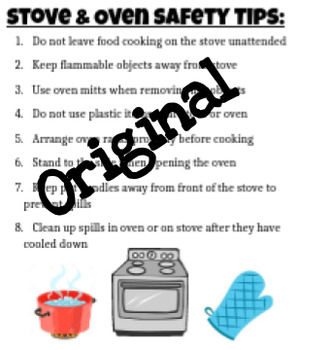
🔥 Heat & Burn Safety
Extra care is important around heat:
- Use back rings on the cooker when possible
- Turn pan handles inward
- Avoid carrying hot liquids across the kitchen
- Let food cool slightly before moving
- Use oven gloves with good grip
Burn prevention is essential for safety.
🏠 Kitchen Layout & Safety
A safer kitchen environment includes:
- Clear walkways and uncluttered surfaces
- Good lighting over work areas
- Non-slip flooring
- Frequently used items stored at waist height
- Easy access to seating
Small layout changes can make a big difference.
🤝 Professional Support
An Occupational Therapist can:
- Assess kitchen safety
- Recommend equipment and adaptations
- Suggest safer cooking techniques
- Support confidence and independence
Early support prevents accidents and loss of confidence.
❤️ Confidence, Enjoyment & Dignity
Cooking is more than a task — it supports identity, independence, and enjoyment.
With patience, encouragement, and the right adjustments, many people continue to enjoy preparing meals.
Key Message
Cooking and meal preparation can remain safe and achievable with ataxia through adaptation, planning, and support.
Small changes reduce risk, save energy, and help people continue to prepare food with confidence and dignity.
Early adjustments protect long-term independence.
