- Home
- ATAXIA
- SIGNS AND SYMPTOMS
- MOVEMENT PROBLEMS
- Temporary Causes
- PROGRESSIVE CAUSES
- Is Ataxia Curable?
- Emotional Support
- WHEN TO SEEK ADVICE
- Ataxia May Affect Daily
- Management & Support
- OCCUPATIONAL THERAPY
- RISK OF FALLS
- PERSONAL CARE
- COOKING AND MEAL PREPARE
- Managing fatigue
- Household tasks
- HOME AASESSMENT
- HOME ADAPTATIONS
- Assistive Aids
- Vitamin & Nutritional
- INFECTIONS
- EMOTONAL SUPPORT. 2
- Mental Health Support
- Medical Support
- Ongoing Monitoring
- Part of a Care Team
- ATAXIA RADDIO
- MOVEMENT
- STAGES
- STAGE 1-9
About ATAXIA
Managing fatigue and energy levels

Managing fatigue and energy levels

Managing fatigue and energy levels
Transform Your Life with ATAXIA
Transform Your Health with ATAXIA Health Consulting
Managing Fatigue & Energy Levels — ATAXIA
Fatigue is a common and often underestimated symptom of ataxia.
It can affect physical strength, concentration, balance, mood, and the ability to complete everyday tasks.
Managing energy well helps people stay active, safe, and independent for longer.

 4
4
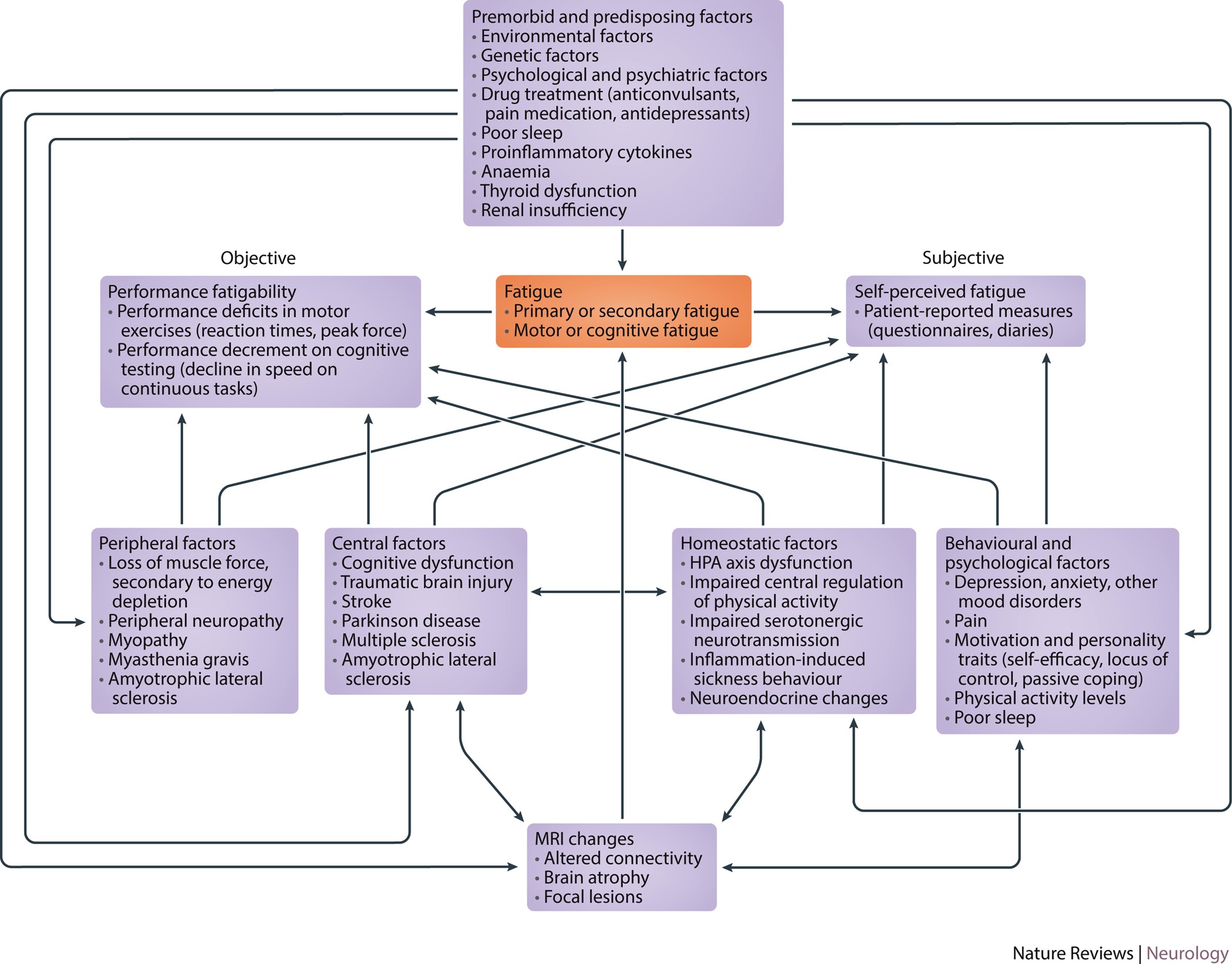
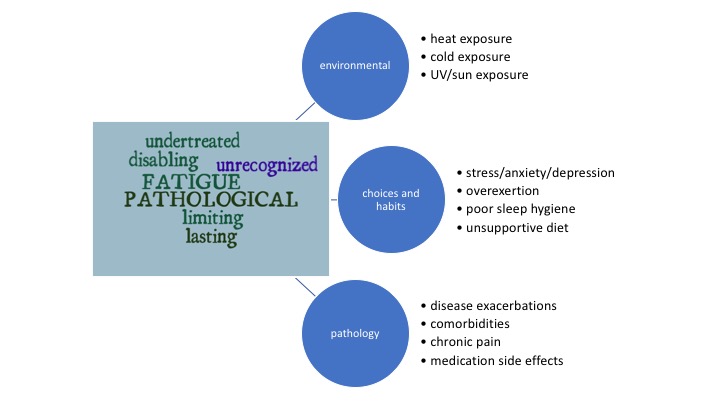
🧠 Why Fatigue Happens in Ataxia
Fatigue in ataxia may be caused by:
- Increased effort needed for movement and balance
- Constant concentration to control movements
- Muscle overuse due to poor coordination
- Interrupted sleep
- Emotional stress or anxiety
- Side effects of medication
Fatigue can be physical, mental, or both.
⚠️ How Fatigue Affects Daily Life
Fatigue may lead to:
- Reduced balance and increased fall risk
- Slower movement and reaction time
- Difficulty concentrating or thinking clearly
- Reduced motivation
- Frustration or low mood
- Withdrawal from activities
Managing fatigue is essential for safety and quality of life.
⏳ Pacing Activities
Pacing helps prevent exhaustion:
- Break tasks into smaller steps
- Take regular rest breaks
- Stop before becoming overly tired
- Avoid doing too much on “good days”
Consistent pacing prevents long recovery periods.
🗓️ Planning & Prioritising
Energy is limited — use it wisely:
- Plan important tasks for times of higher energy
- Spread activities throughout the day or week
- Prioritise meaningful or essential tasks
- Combine tasks where possible to reduce effort
Planning reduces stress and overexertion.
🪑 Rest & Recovery
Rest is a management strategy, not a failure:
- Schedule rest breaks into daily routines
- Use supportive seating or lying positions
- Rest before fatigue becomes overwhelming
Quality rest improves endurance and focus.
🏃 Staying Active (Safely)
Although rest is important, gentle activity helps reduce fatigue over time:
- Physiotherapy-guided exercise
- Gentle stretching or movement
- Short, regular activity rather than long sessions
Balanced activity supports strength and stamina.
🛠️ Practical Energy-Saving Strategies
Helpful approaches include:
- Sitting for tasks where possible
- Using adaptive equipment
- Keeping frequently used items within reach
- Reducing unnecessary movement
- Avoiding rushing or multitasking
Saving energy improves safety and confidence.
🧑⚕️ Professional Support
Support may include:
- Occupational Therapy for energy conservation strategies
- Physiotherapy to improve movement efficiency
- Medical review to address sleep, pain, or medication effects
- Emotional support for coping with fatigue
Early support prevents fatigue from becoming disabling.
❤️ Emotional Wellbeing & Understanding
Fatigue is real and not a sign of weakness.
Understanding, patience, and realistic expectations help reduce guilt and frustration.
Feeling believed and supported improves confidence and wellbeing.
Key Message
Managing fatigue and energy levels is a key part of living well with ataxia.
With pacing, planning, rest, and the right support, people can protect their energy, stay safer, and enjoy a better quality of life.
Fatigue management supports independence, dignity, and participation.
