- Home
- ATAXIA
- SIGNS AND SYMPTOMS
- MOVEMENT PROBLEMS
- Temporary Causes
- PROGRESSIVE CAUSES
- Is Ataxia Curable?
- Emotional Support
- WHEN TO SEEK ADVICE
- Ataxia May Affect Daily
- Management & Support
- OCCUPATIONAL THERAPY
- RISK OF FALLS
- PERSONAL CARE
- COOKING AND MEAL PREPARE
- Managing fatigue
- Household tasks
- HOME AASESSMENT
- HOME ADAPTATIONS
- Assistive Aids
- Vitamin & Nutritional
- INFECTIONS
- EMOTONAL SUPPORT. 2
- Mental Health Support
- Medical Support
- Ongoing Monitoring
- Part of a Care Team
- ATAXIA RADDIO
- MOVEMENT
- STAGES
- STAGE 1-9
Discover a Healthier You with ATAXIA
Welcome to ATAXIA!
Management & Support — Ataxia
Although there is currently no cure for most types of ataxia, a wide range of management and support options can help people live safer, more independent, and fulfilling lives.
Support is most effective when it is individualised, coordinated, and started early.

 4
4
🧑⚕️ Medical Management
Medical care focuses on:
- Identifying and treating underlying or reversible causes
- Managing symptoms such as tremor, stiffness, dizziness, or spasms
- Reviewing medications that may worsen coordination
- Monitoring progression and adjusting care plans
- Referring to specialist neurological services when needed
Regular follow-up ensures care remains appropriate as needs change.
🏃 Physiotherapy
Physiotherapy plays a key role in managing ataxia by helping to:
- Improve balance and coordination
- Maintain strength and flexibility
- Support safe walking and mobility
- Reduce the risk of falls
- Build confidence with movement
Exercise programmes are tailored to individual ability and reviewed over time.
🏠 Occupational Therapy
Occupational therapists support daily living by:
- Assessing everyday activities and routines
- Recommending practical adaptations
- Suggesting assistive equipment
- Improving hand function and fine motor skills
- Supporting independence at home, work, or education
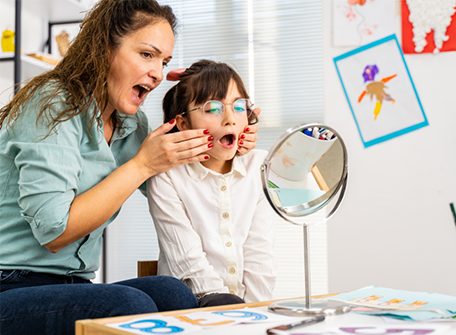
🗣️ Speech & Language Therapy
Speech and Language Therapists can help with:
- Clearer and more effective communication
- Managing slurred or slow speech
- Safer swallowing and eating strategies
- Reducing the risk of choking or aspiration
👁️ Vision & Eye Support
Support may include:
- Eye examinations and specialist referrals
- Glasses or prism lenses
- Advice on lighting, reading, and screen use
- Strategies to reduce visual fatigue
🧠 Cognitive & Emotional Support
Living with ataxia can affect thinking, mood, and emotional wellbeing.
Support may include:
- Psychological or counselling services
- Support for anxiety or depression
- Cognitive strategies for memory and concentration
- Peer support or support groups
Emotional support is an essential part of care.
🛠️ Practical & Lifestyle Support
Helpful strategies may include:
- Using mobility aids if recommended
- Making home safety adaptations
- Maintaining routines and structure
- Managing fatigue with regular rest breaks
- Eating well and staying hydrated
- Avoiding alcohol if advised
❤️ Support for Families & Carers
Families and carers may benefit from:
- Education about ataxia
- Practical guidance and reassurance
- Emotional support and respite care
- Access to support networks
Supporting others also means looking after yourself.
Key Message
Management of ataxia is about support, adaptation, and empowerment.
With the right combination of medical care, therapy, practical strategies, and emotional support, people with ataxia can live safer, fuller, and more independent lives.
Early support and regular review make a real difference.
Achieve Optimal Health Today
Discover the Benefits of ATAXIA
Medical Management — ATAXIA
Medical management of ataxia focuses on identifying the cause, treating any reversible factors, controlling symptoms, and monitoring progression.
While many forms of ataxia cannot be cured, appropriate medical care can significantly improve safety, comfort, and quality of life.
 4
4
🧠 Identifying the Underlying Cause
Medical assessment aims to determine whether ataxia is caused by:
- Genetic conditions
- Stroke or reduced blood flow
- Infection or inflammation
- Autoimmune disease
- Vitamin or metabolic deficiencies
- Medication, alcohol, or toxin exposure
- Structural brain damage
Some causes are treatable or reversible, making early diagnosis essential.
🧪 Investigations & Monitoring
Medical management may include:
- Neurological examinations
- Blood tests (vitamins, immune markers, metabolic tests)
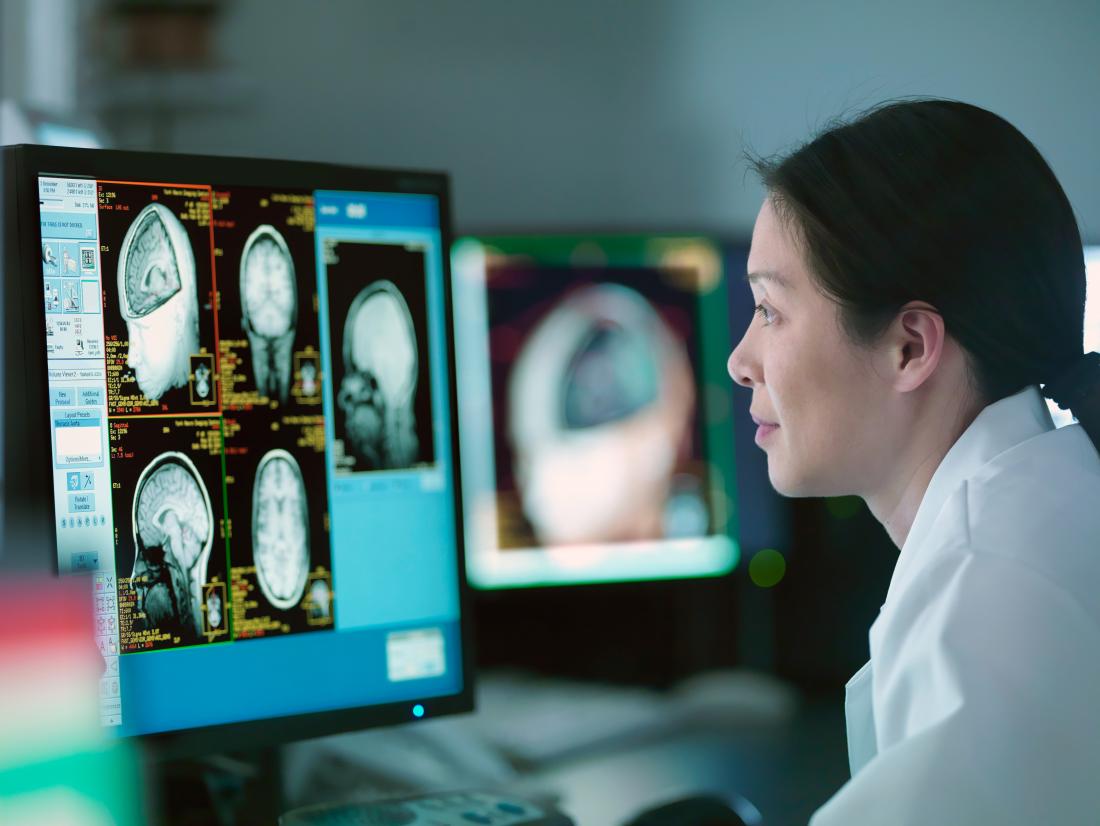
- Brain imaging (MRI or CT scans)
- Genetic testing (when appropriate)
- Review of medications and medical history
- Ongoing monitoring of symptom progression
Results help guide treatment and long-term planning.
💊 Medication Management
There is no single medication that cures ataxia, but medicines may be used to:
- Manage tremor or muscle stiffness
- Reduce spasticity or spasms
- Control dizziness or vertigo
- Treat pain or discomfort
- Manage associated conditions such as anxiety or depression
- Treat underlying autoimmune or inflammatory causes
⚠️ Medication effects are monitored carefully, as some drugs can worsen coordination.
🍺 Review of Alcohol, Drugs & Medications
Medical care includes:
- Reviewing prescribed and over-the-counter medications
- Identifying drugs that may worsen balance or coordination
- Advising on alcohol reduction or avoidance
- Addressing substance-related causes
Stopping or adjusting certain substances can significantly improve symptoms in some people.
🧑⚕️ Specialist & Ongoing Care
Medical management often involves:
- Neurologist follow-up
- Referral to specialist clinics
- Coordination with physiotherapy, occupational therapy, and speech therapy
- Regular review as symptoms change
Care plans are adapted over time to match individual needs.
❤️ Key Message
Medical management is a core part of ataxia care.
While a cure is not always possible, early diagnosis, careful monitoring, and targeted treatment can greatly reduce complications and improve quality of life.
Medical care works best when combined with therapy, practical support, and emotional wellbeing support.

Achieve Optimal Health with ATAXIA
Welcome to ATAXIA Health Consulting
Occupational Therapy — ATAXIA
Occupational Therapy (OT) helps people with ataxia manage daily activities safely and independently, despite difficulties with balance, coordination, fatigue, or fine motor control.
The focus is on what matters to the individual — everyday tasks, routines, work, hobbies, and home life.
4
🏠 How Occupational Therapy Helps
An Occupational Therapist works with the person to:
- Maintain independence for as long as possible
- Reduce risk of falls and injury
- Make daily tasks easier and safer
- Improve confidence and quality of life
- Support participation in work, education, and hobbies
Support is individualised and practical.
🛠️ Daily Living Support
Occupational therapy can help with:
- Dressing, washing, and personal care
- Eating and drinking safely
- Cooking and meal preparation
- Writing, typing, and using technology
- Managing fatigue and energy levels
- Household tasks and routines
Tasks are often adapted rather than avoided.
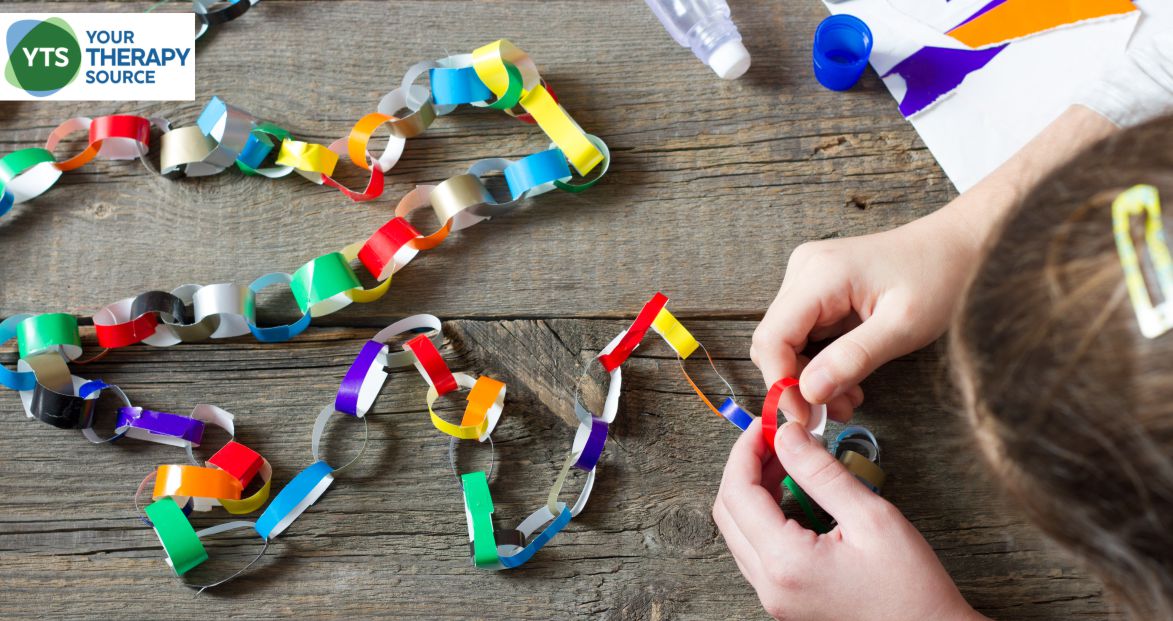
✋ Hand & Fine Motor Support
OT may focus on:
- Improving hand coordination and control
- Strategies for tremor or clumsiness
- Use of adaptive equipment (e.g. weighted cutlery, built-up grips)
- Simplifying fine motor tasks
This helps maintain independence in everyday activities.
🏡 Home Safety & Adaptations
Occupational Therapists can:
- Assess home environments for safety
- Recommend adaptations such as handrails, grab bars, or seating
- Suggest layout changes to reduce falls risk
- Advise on bathroom and kitchen safety
Small changes can make a big difference.
🦽 Equipment & Assistive Aids
OTs may recommend:
- Adaptive cutlery and kitchen aids
- Seating and posture supports
- Bathing and toileting equipment
- Writing, phone, or computer aids
- Mobility-related supports (in coordination with physiotherapy)
Equipment is chosen to support independence, not dependence.
🧠 Fatigue & Energy Management
Fatigue is common in ataxia.
OT can help with:
- Pacing activities
- Planning rest breaks
- Prioritising important tasks
- Creating balanced daily routines
This helps reduce exhaustion and frustration.
🧑⚕️ Working With Other Professionals
Occupational Therapy often works alongside:
- Physiotherapy (movement and balance)
- Speech & language therapy
- Medical and neurological care
- Social care and support services
Care works best when it is co-ordinated.
❤️ Key Message
Occupational Therapy plays a vital role in ataxia care.
With the right strategies, adaptations, and equipment, people with ataxia can continue to live independent, safe, and meaningful lives.
Early referral allows people to adapt before difficulties become overwhelming.
