- Home
- ATAXIA
- SIGNS AND SYMPTOMS
- MOVEMENT PROBLEMS
- Temporary Causes
- PROGRESSIVE CAUSES
- Is Ataxia Curable?
- Emotional Support
- WHEN TO SEEK ADVICE
- Ataxia May Affect Daily
- Management & Support
- OCCUPATIONAL THERAPY
- RISK OF FALLS
- PERSONAL CARE
- COOKING AND MEAL PREPARE
- Managing fatigue
- Household tasks
- HOME AASESSMENT
- HOME ADAPTATIONS
- Assistive Aids
- Vitamin & Nutritional
- INFECTIONS
- EMOTONAL SUPPORT. 2
- Mental Health Support
- Medical Support
- Ongoing Monitoring
- Part of a Care Team
- ATAXIA RADDIO
- MOVEMENT
- STAGES
- STAGE 1-9
Discover a Healthier You with ATAXIA
Welcome to ATAXIA!
Dressing, Washing & Personal Care — ATAXIA
Ataxia can make dressing, washing, and personal care more difficult due to problems with balance, coordination, hand control, fatigue, and slowed movement.
With the right strategies and adaptations, many people can continue to manage personal care safely, confidently, and independently.
Support focuses on making tasks easier and safer, not taking independence away.

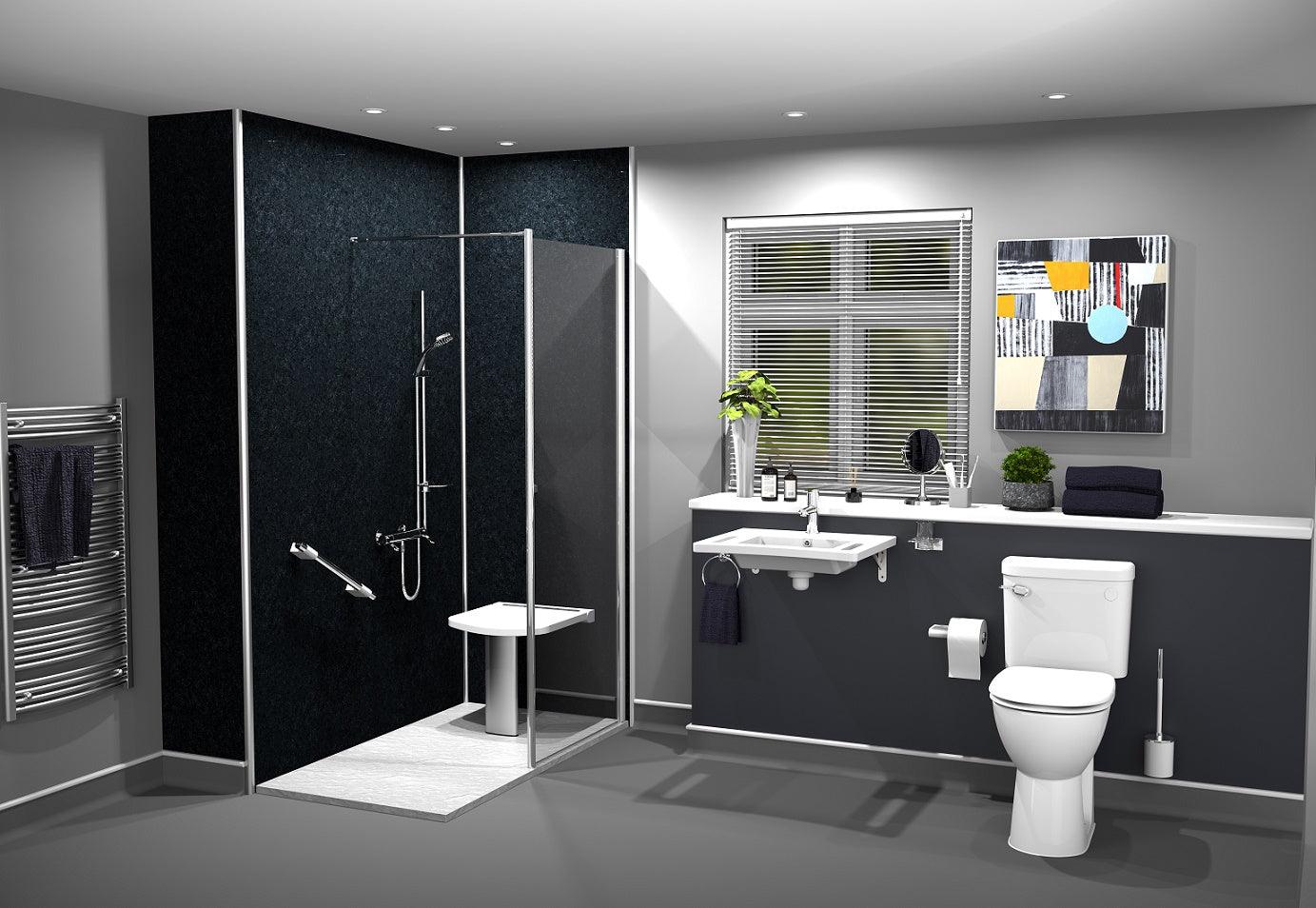 4
4

👕 Dressing
Dressing may be challenging due to poor balance or hand coordination.
Helpful strategies include:
- Sitting down while dressing to reduce fall risk
- Choosing clothing with Velcro, elastic waistbands, or magnetic fastenings
- Wearing loose-fitting or stretchy clothing
- Using dressing aids (button hooks, long-handled shoehorns)
- Laying clothes out in the order they are put on
- Allowing extra time and avoiding rushing
These adaptations reduce effort and frustration.
🚿 Washing & Bathing
Washing safely is essential for dignity and confidence.
Support may include:
- Sitting to wash or shower
- Using a shower chair or bath seat
- Installing grab rails near the bath, shower, or toilet
- Using non-slip mats
- Using long-handled sponges
- Keeping toiletries within easy reach
Good lighting and warm, comfortable conditions also help.
🚽 Toileting
Toileting difficulties may arise due to balance or fatigue.
Helpful adaptations include:
- Raised toilet seats
- Grab rails beside the toilet
- Clothing that is easy to manage
- Clear, uncluttered access to the bathroom
These changes improve safety and privacy.
🪥 Grooming & Personal Hygiene
Tasks such as brushing teeth, shaving, or hair care may be easier with:
- Sitting at a mirror
- Using electric toothbrushes or razors
- Built-up or non-slip handles
- Keeping items organised and accessible
Simple changes help maintain independence and self-esteem.
🧠 Managing Fatigue & Safety
Fatigue increases risk during personal care.
Helpful approaches include:
- Choosing the best time of day for washing or dressing
- Taking breaks when needed
- Avoiding multitasking
- Asking for support on difficult days
Energy management supports long-term independence.
🤝 Professional Support
An Occupational Therapist can:
- Assess personal care routines
- Recommend practical strategies and equipment
- Suggest home adaptations
- Support confidence and independence
Early support helps prevent accidents and loss of confidence.
❤️ Emotional Wellbeing & Dignity
Struggling with personal care can feel frustrating or embarrassing.
Respect, patience, reassurance, and choice are essential.
Maintaining dignity is just as important as physical safety.
Key Message
Dressing, washing, and personal care can remain safe and manageable with ataxia through adaptation, planning, and the right support.
Small changes protect independence, confidence, and quality of life.
Early support allows people to stay in control of their personal care for longer.
