- Home
- ATAXIA
- SIGNS AND SYMPTOMS
- MOVEMENT PROBLEMS
- Temporary Causes
- PROGRESSIVE CAUSES
- Is Ataxia Curable?
- Emotional Support
- WHEN TO SEEK ADVICE
- Ataxia May Affect Daily
- Management & Support
- OCCUPATIONAL THERAPY
- RISK OF FALLS
- PERSONAL CARE
- COOKING AND MEAL PREPARE
- Managing fatigue
- Household tasks
- HOME AASESSMENT
- HOME ADAPTATIONS
- Assistive Aids
- Vitamin & Nutritional
- INFECTIONS
- EMOTONAL SUPPORT. 2
- Mental Health Support
- Medical Support
- Ongoing Monitoring
- Part of a Care Team
- ATAXIA RADDIO
- MOVEMENT
- STAGES
- STAGE 1-9
Transform Your Life with ATAXIA
Welcome to ATAXIA!
Assess Home Environments for Safety — ATAXIA
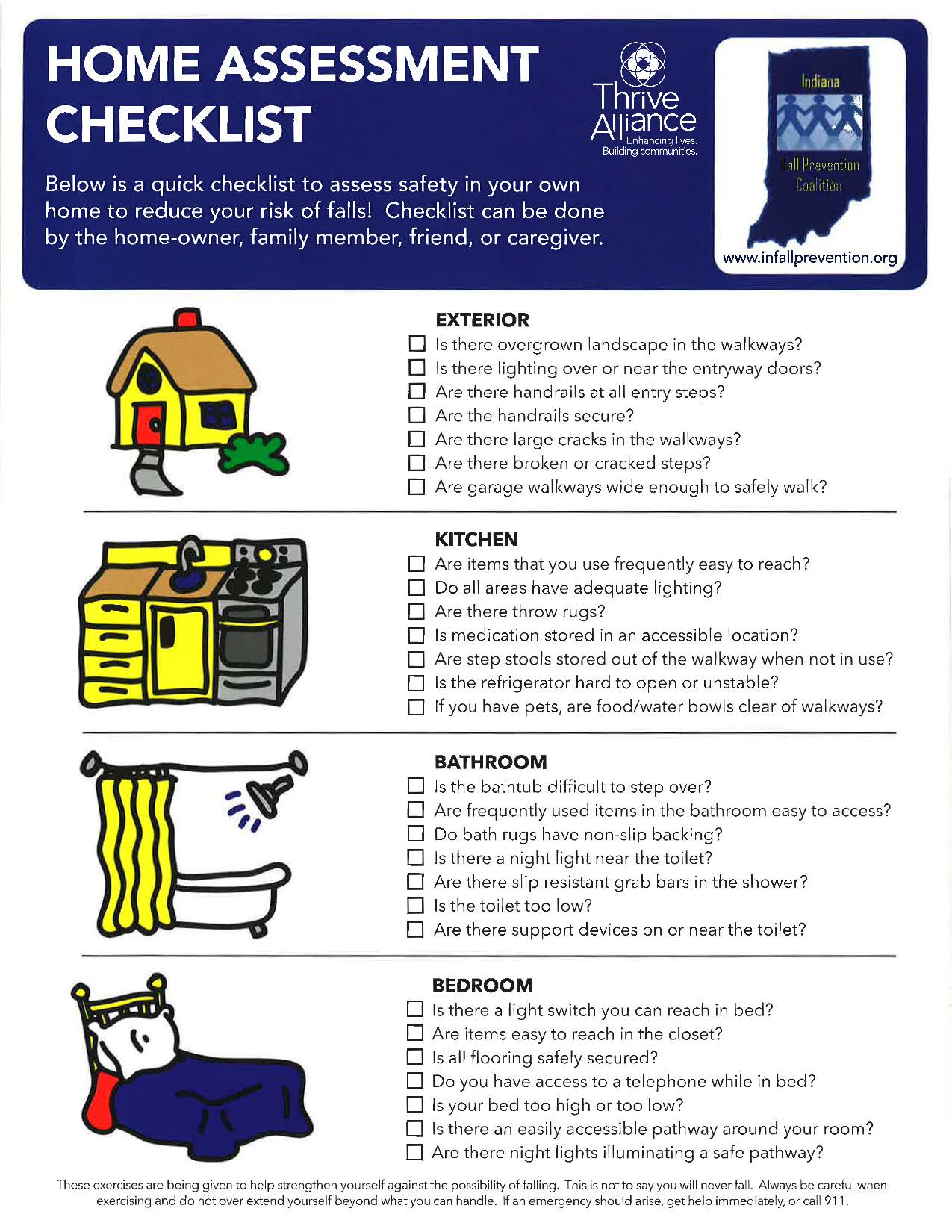
Ataxia increases the risk of falls, trips, and injury due to problems with balance, coordination, vision, and fatigue.
Assessing the home environment helps identify risks and make simple changes that improve safety, confidence, and independence.
Home safety assessments are about prevention, not restriction.

 4
4
🏠 Why Home Safety Matters
A safe home environment:
- Reduces risk of falls and injury
- Supports independent movement
- Improves confidence and peace of mind
- Helps people stay at home for longer
- Reduces fear of everyday activities
Many hazards are easy to fix once identified.
⚠️ Common Home Safety Risks in Ataxia
Risks may include:
- Cluttered walkways
- Loose rugs or trailing cables
- Poor lighting
- Slippery bathroom or kitchen floors
- Stairs without handrails
- Furniture that is unstable or too low
- Items stored out of easy reach
These risks increase when fatigue is present.
🧑⚕️ Who Can Assess Home Safety?
A home safety assessment is often carried out by:
- Occupational Therapists (OTs)
- Community health or social care teams
- Falls-prevention services
They assess how a person moves through their home, not just the layout.
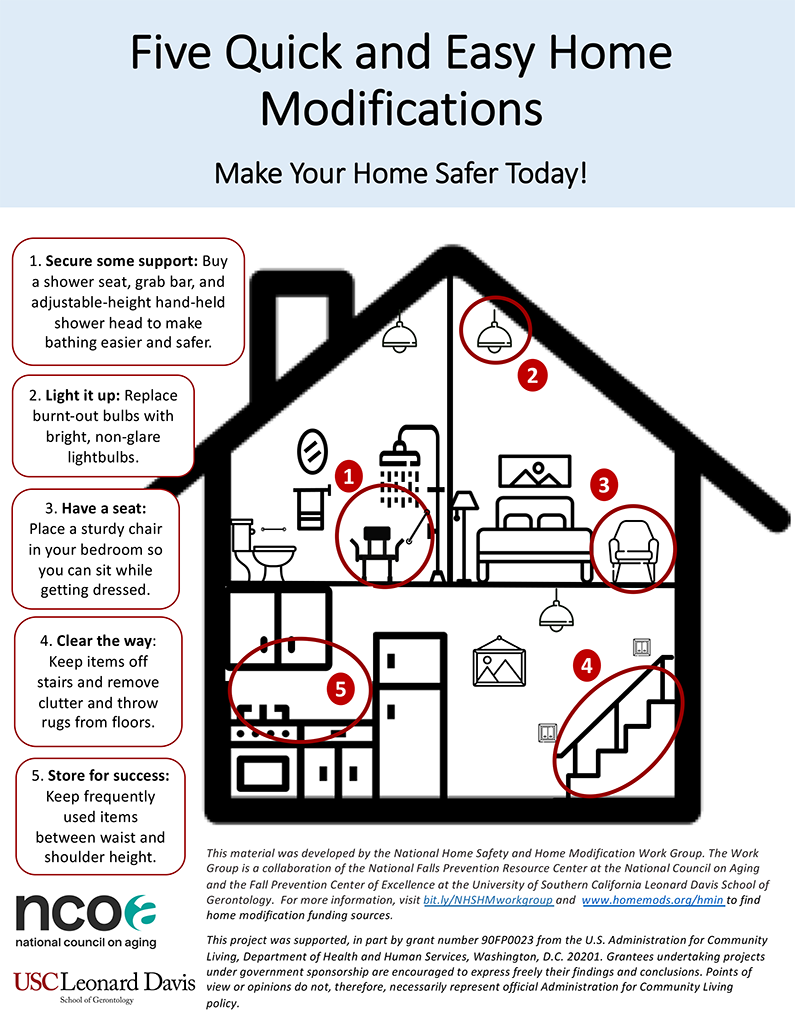
🛠️ Typical Safety Recommendations
Following an assessment, recommendations may include:
- Removing loose rugs and clutter
- Improving lighting in halls, stairs, and bathrooms
- Installing grab rails or handrails
- Using non-slip mats
- Rearranging furniture for clear pathways
- Raising or stabilising chairs and beds
- Storing frequently used items at waist height
Small changes can have a big impact.
🚿 Bathroom & Kitchen Safety
High-risk areas often need extra support:
- Grab rails near toilets, showers, and baths
- Shower chairs or bath seats
- Non-slip flooring or mats
- Easy-grip taps and utensils
- Seating for food preparation
These areas benefit greatly from assessment.
🧠 Supporting Confidence & Independence
A safer home:
- Encourages movement rather than avoidance
- Reduces fear of falling
- Supports confidence in daily tasks
- Helps people remain active
Safety adaptations support independence, not limit it.
🤝 Reviewing Safety Over Time
Ataxia symptoms may change, so:
- Home safety should be reviewed regularly
- Adaptations may need updating
- New risks should be addressed early
Ongoing review prevents accidents before they happen.
❤️ Key Message
Assessing the home environment for safety is a key part of living well with ataxia.
With professional assessment and practical adaptations, homes can be made safer, more accessible, and more supportive of independence.
Early assessment reduces risk and protects confidence.
