- Home
- ATAXIA
- SIGNS AND SYMPTOMS
- MOVEMENT PROBLEMS
- Temporary Causes
- PROGRESSIVE CAUSES
- Is Ataxia Curable?
- Emotional Support
- WHEN TO SEEK ADVICE
- Ataxia May Affect Daily
- Management & Support
- OCCUPATIONAL THERAPY
- RISK OF FALLS
- PERSONAL CARE
- COOKING AND MEAL PREPARE
- Managing fatigue
- Household tasks
- HOME AASESSMENT
- HOME ADAPTATIONS
- Assistive Aids
- Vitamin & Nutritional
- INFECTIONS
- EMOTONAL SUPPORT. 2
- Mental Health Support
- Medical Support
- Ongoing Monitoring
- Part of a Care Team
- ATAXIA RADDIO
- MOVEMENT
- STAGES
- STAGE 1-9
Transform your health today
Transform Your Health with ATAXIA Health Consulting
Adaptive Cutlery & Kitchen Aids — ATAXIA
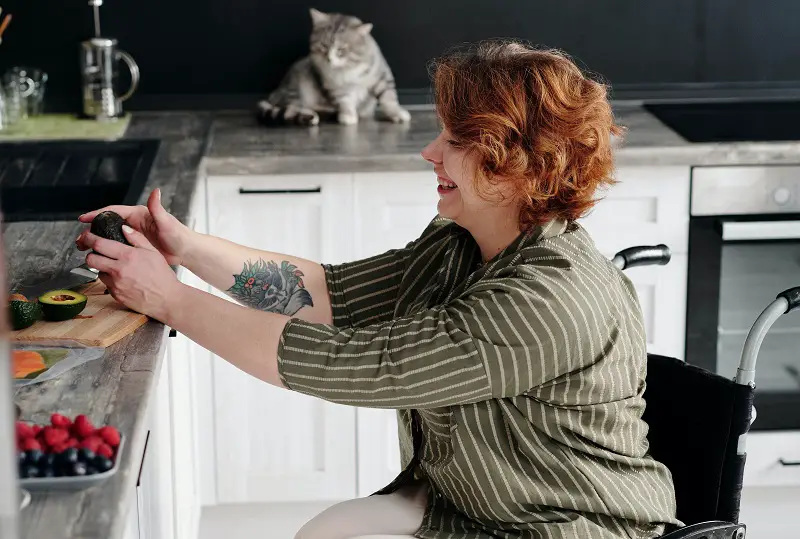
Ataxia can make eating and food preparation difficult due to poor hand coordination, tremor, fatigue, and reduced grip control.
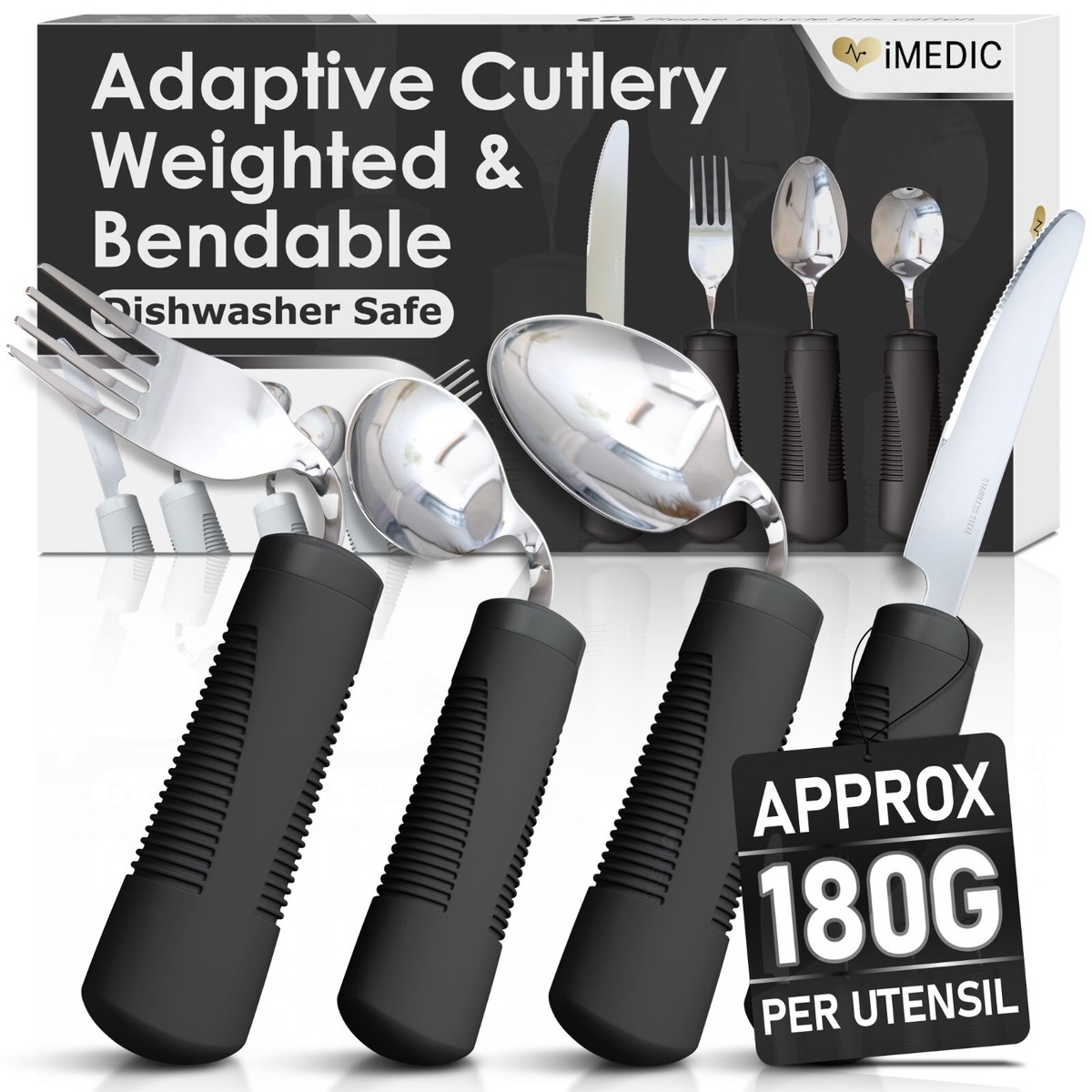
Adaptive cutlery and kitchen aids are designed to improve safety, reduce effort, and support independence.
These tools help people continue eating and cooking with confidence and dignity.

 4
4
🍴 Adaptive Cutlery
Adaptive cutlery helps improve control during meals.
Common options include:
- Weighted cutlery to reduce tremor
- Cutlery with built-up or contoured handles for easier grip
- Angled spoons or forks to reduce wrist movement
- Rocker knives to allow one-handed cutting
- Non-slip or textured handles
Benefits:
- Better control and accuracy
- Less spillage
- Reduced fatigue
- Improved confidence at mealtimes
🍽️ Plates, Bowls & Cups
Helpful dining aids include:
- Plates with raised edges or plate guards
- Non-slip mats to keep dishes in place
- Bowls with curved sides
- Two-handled cups or cups with lids
- Weighted cups to reduce spills
These aids support safer eating and drinking.
🔪 Food Preparation Aids
Kitchen aids can make food prep safer and easier:
- Non-slip chopping boards
- Board clamps to hold food in place
- Easy-grip peelers and knives
- Jar openers and bottle openers
- Electric can openers
Reducing the need for fine hand control improves safety.
🪑 Positioning & Stability Aids
Stability improves safety and control:
- Sitting on a high stool while preparing food
- Using anti-slip mats on worktops
- Keeping frequently used items within easy reach
Good positioning reduces fatigue and accidents.
🧑⚕️ Professional Advice
An Occupational Therapist can:
- Assess hand control and kitchen tasks
- Recommend appropriate adaptive aids
- Ensure equipment matches individual needs
- Support confidence and safe use
The right aid at the right time makes a big difference.
❤️ Confidence, Dignity & Independence
Using adaptive cutlery and kitchen aids is about maintaining independence, not giving it up.
These tools help people stay involved in mealtimes and food preparation without frustration or risk.
Key Message
Adaptive cutlery and kitchen aids can greatly improve safety, control, and confidence for people with ataxia.
With the right equipment and guidance, eating and cooking can remain enjoyable, independent, and dignified.
Early use of adaptive aids helps protect long-term independence.

Discover a Healthier You with ATAXIA
Welcome to ATAXIA Health Consulting
Seating & Posture Supports — ATAXIA
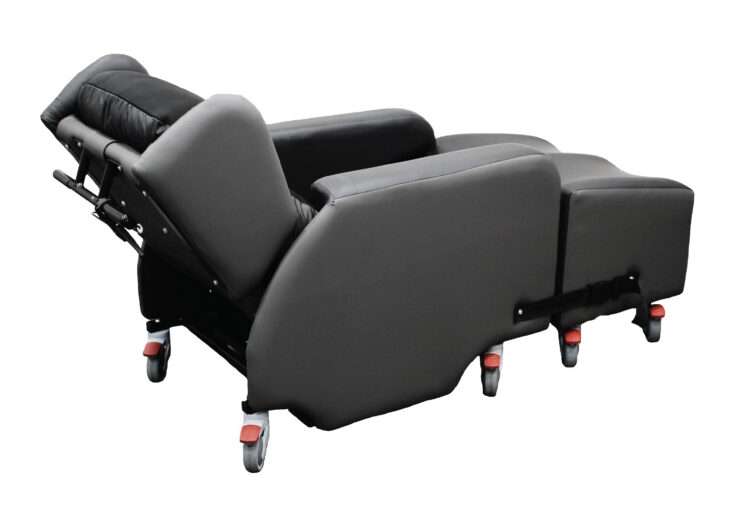
Ataxia can affect balance, trunk control, posture, and endurance, making sitting uncomfortable or unsafe for long periods.
Appropriate seating and posture supports help improve stability, comfort, safety, and confidence during daily activities.
Good seating supports independence, not dependence.

 4
4
🪑 Why Seating & Posture Support Matters
Proper seating helps to:
- Improve balance while sitting
- Reduce risk of falls or sliding
- Support upright posture
- Reduce fatigue and discomfort
- Improve hand control for tasks
- Support safe eating, working, and socialising
Poor posture increases effort and strain.
🧍 Common Posture Difficulties in Ataxia
People with ataxia may experience:
- Slouching or leaning to one side
- Difficulty staying upright
- Excessive body sway while sitting
- Fatigue when holding posture
- Neck, back, or shoulder pain
Supportive seating helps reduce these challenges.
🪑 Types of Seating & Posture Supports
Helpful options may include:
- Chairs with firm seats and supportive backs
- Chairs with armrests to help standing up
- High-backed chairs for trunk support
- Posture cushions or wedges
- Side supports or lumbar supports
- Footrests to improve lower body stability
Seating should be stable, comfortable, and correctly sized.
🚿 Seating for Daily Activities
Seating supports may also be used:
- Shower chairs or bath seats
- Kitchen stools for seated meal preparation
- Desk chairs with posture support
- Wheelchair seating with posture systems (if needed)
Using seating appropriately saves energy and improves safety.
🧠 Posture & Fatigue Management
Good posture reduces:
- Muscle strain
- Effort needed to stay upright
- Fatigue during tasks
Supportive seating allows people to focus on activities, not posture.
🧑⚕️ Professional Assessment
An Occupational Therapist or Physiotherapist can:
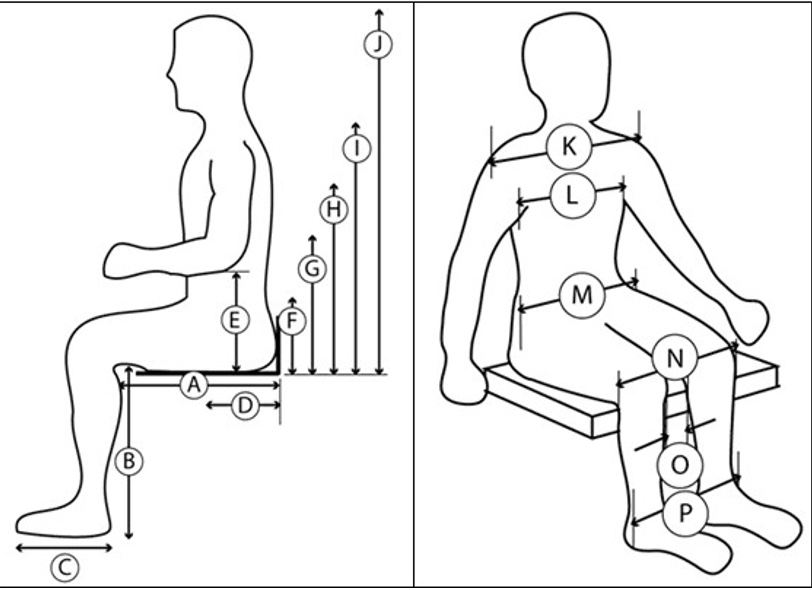
- Assess sitting posture and balance
- Recommend appropriate seating
- Adjust height, depth, and support
- Review needs as symptoms change
Professional assessment ensures seating is safe and effective.
❤️ Confidence & Comfort
Comfortable, supportive seating:
- Encourages participation in daily activities
- Improves confidence in sitting tasks
- Reduces pain and discomfort
- Supports dignity and wellbeing
Feeling stable helps people stay engaged.
Key Message
Seating and posture supports are an important part of managing ataxia.
With the right seating, people can sit more safely, comfortably, and confidently — supporting independence, energy conservation, and quality of life.
Early assessment helps prevent discomfort and secondary problems.
