- Home
- ATAXIA
- SIGNS AND SYMPTOMS
- MOVEMENT PROBLEMS
- Temporary Causes
- PROGRESSIVE CAUSES
- Is Ataxia Curable?
- Emotional Support
- WHEN TO SEEK ADVICE
- Ataxia May Affect Daily
- Management & Support
- OCCUPATIONAL THERAPY
- RISK OF FALLS
- PERSONAL CARE
- COOKING AND MEAL PREPARE
- Managing fatigue
- Household tasks
- HOME AASESSMENT
- HOME ADAPTATIONS
- Assistive Aids
- Vitamin & Nutritional
- INFECTIONS
- EMOTONAL SUPPORT. 2
- Mental Health Support
- Medical Support
- Ongoing Monitoring
- Part of a Care Team
- ATAXIA RADDIO
- MOVEMENT
- STAGES
- STAGE 1-9
Transform your health today
Healthy Eating

Ataxia – Long-Term or Progressive Causes
(Clear, compassionate, website-ready information)
Some forms of ataxia are long-term (chronic) or progressive, meaning symptoms develop slowly and worsen over time. These types often require ongoing care, monitoring, and support, rather than a one-time treatment.
🧬 Genetic (Inherited) Ataxias
These are passed down through families and usually progress gradually.
Common features:
- Worsening balance and coordination
- Speech and swallowing difficulties
- Tremors or muscle stiffness
- Symptoms may begin in childhood, adulthood, or later life
Examples include:
- Spinocerebellar ataxias (SCA)
- Friedreich’s ataxia
➡️ Symptoms usually progress over years.
🧠 Degenerative Neurological Conditions
Some brain disorders cause ongoing damage to areas controlling movement.
Characteristics:
- Gradual loss of coordination
- Increasing walking difficulty
- Speech and eye movement problems
- Possible autonomic symptoms (blood pressure, bladder issues)
➡️ These conditions are typically progressive and require long-term management.
🧩 Idiopathic Late-Onset Ataxia
- Cause remains unknown
- Usually begins later in adulthood
- Slowly progressive
➡️ Diagnosis is made
Weight Loss

🦠 Chronic Autoimmune or Inflammatory Ataxia
- The immune system attacks parts of the nervous system
- Symptoms may fluctuate but often progress without treatment
➡️ Early treatment can slow progression in some cases.
🧠 Structural Brain Damage
Permanent damage caused by:
- Long-term alcohol misuse
- Past severe brain injury
- Chronic lack of oxygen to the brain
➡️ Damage is usually permanent, though progression may slow once the cause is removed.
🧠 Metabolic & Rare Neurological Disorders
- Rare conditions affecting how the body or brain processes energy
- Symptoms worsen over time
- Often diagnosed through specialist testing
🚶 How Progressive Ataxia May Affect Daily Life
Over time, individuals may experience:
- Increasing falls and mobility problems
- Need for walking aids or wheelchair
- Speech becoming harder to understand
- Swallowing difficulties
- Fatigue and reduced independence
- Emotional impact (frustration, anxiety, low mood)
Fitness
Fitness

Management & Support
While progressive ataxia cannot usually be cured, quality of life can be improved with:
- Physiotherapy (balance, strength, mobility)
- Speech and language therapy
- Occupational therapy
- Assistive devices
- Home safety adaptations
- Emotional and psychological support
- Regular neurological follow-up
⚠️ Important Website Message
Progressive ataxia does not mean no help is available.
Early diagnosis, therapy, and support can slow decline, prevent complications, and improve independence.
Transform Your Life with ATAXIA
Transform Your Health with ATAXIA Health Consulting
Ataxia — Long-Term or Progressive Causes
Some types of ataxia are long-term or progressive, meaning symptoms develop slowly and may worsen over time.
These forms are usually caused by genetic conditions, long-standing neurological disease, or ongoing degeneration of the nervous system.
Although these causes are not currently curable, early diagnosis and ongoing support can slow progression, reduce complications, and improve quality of life.
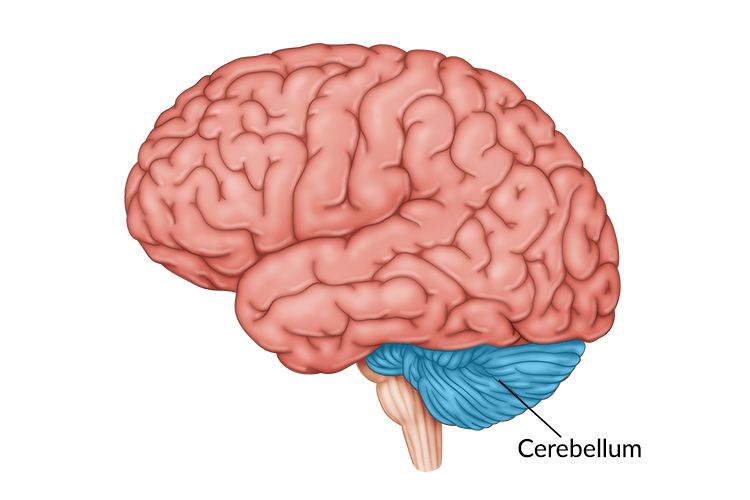

🧬 Genetic (Hereditary) Ataxias
These ataxias are caused by inherited gene changes and often run in families, although symptoms may appear later in life.
Common features:
- Gradual worsening of balance and coordination
- Speech and swallowing difficulties
- Vision or eye movement problems
- Muscle weakness or stiffness
Symptoms may begin in childhood, adolescence, or adulthood, depending on the condition.
🧠 Degenerative Neurological Conditions
Some progressive brain disorders can cause ataxia as part of a wider neurological condition.
These conditions may involve:
- Ongoing loss of nerve cells
- Worsening coordination and balance
- Changes in movement, speech, or thinking
Progression is often slow and variable, differing from person to person.
🧬 Idiopathic Late-Onset Ataxia
In some people, ataxia develops gradually without a clearly identifiable cause.
- Symptoms usually begin in later adulthood
- Progression is typically slow
- Diagnosis is made after other causes are excluded
Support focuses on symptom management and safety.
🍺 Alcohol-Related Cerebellar Degeneration
Long-term heavy alcohol use can cause permanent damage to the cerebellum.
Features may include:
- Persistent unsteady walking
- Poor balance
- Tremor and coordination problems
Stopping alcohol may prevent further damage, but existing symptoms may remain.
🧠 Neurodegenerative & Systemic Conditions
Some long-term medical conditions can gradually affect the nervous system and lead to ataxia, including:
- Conditions affecting multiple brain systems
- Disorders involving nerve degeneration
- Chronic metabolic or systemic illnesses
Ataxia may be one of several symptoms.
⚖️ How Progressive Ataxia Affects Daily Life
Over time, people may experience:
- Increasing difficulty with walking and balance
- Greater reliance on mobility aids
- Speech and swallowing challenges
- Fatigue and reduced stamina
- Emotional and psychological impact
The rate of change varies widely.
🧑⚕️ Management & Ongoing Support
Although long-term ataxia cannot usually be cured, support can include:
- Regular neurological monitoring
- Physiotherapy for balance and mobility
- Occupational therapy for daily activities
- Speech and language therapy
- Vision and swallowing support
- Emotional and psychological support
- Home adaptations and safety planning
Early and consistent support helps maintain independence and dignity.
❤️ Key Message
Long-term or progressive ataxia causes ongoing challenges, but supportive care makes a real difference.
With the right therapies, adaptations, and emotional support, many people continue to live full, meaningful lives.
Early diagnosis, planning, and regular review are essential.

Achieve Optimal Health Today
Discover the Benefits of ATAXIA
Degenerative Neurological Conditions — ATAXIA
Some degenerative neurological conditions can cause ataxia as part of a progressive disorder affecting the brain and nervous system.
In these conditions, nerve cells gradually become damaged or lost over time, leading to worsening coordination, balance, and movement control.
Degenerative causes of ataxia are usually long-term and progressive, but the rate and pattern of change vary greatly between individuals.
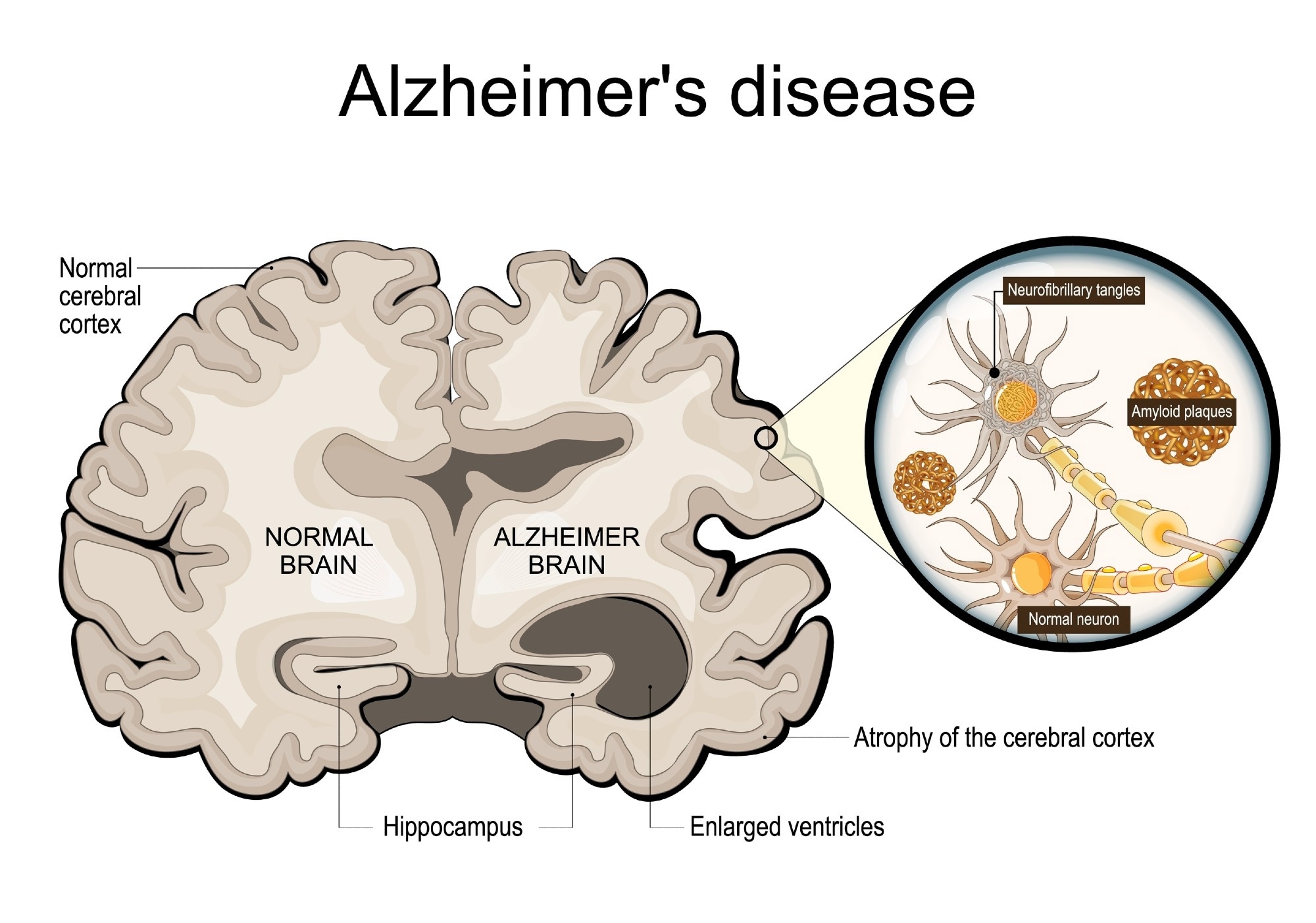

🧠 How Degenerative Conditions Cause Ataxia
Degenerative neurological conditions may:
- Gradually damage the cerebellum
- Affect nerve pathways controlling movement and balance
- Disrupt coordination, posture, and muscle control
- Impact speech, swallowing, vision, and sometimes thinking
Ataxia may be one symptom among many, or it may be the main feature.
🧩 Common Features
People with degenerative neurological ataxia may experience:
- Slowly worsening balance and walking difficulties
- Poor coordination of arms and legs
- Slurred or slow speech
- Swallowing difficulties
- Tremor or stiffness
- Changes in posture and body control
- Fatigue and reduced stamina
- Possible cognitive or emotional changes
Symptoms often develop gradually over years.
⏱️ Progression
- Progression is usually slow but continuous
- Symptoms may worsen in stages
- Some periods may feel stable, followed by gradual change
- The pattern differs widely between individuals
Early support can significantly reduce complications.
🧑⚕️ Diagnosis
Diagnosis may involve:
- Neurological examination
- Brain imaging (MRI)
- Blood tests to exclude treatable causes
- Ongoing monitoring over time
Diagnosis is often based on clinical pattern and progression, rather than a single test.
🧑⚕️ Management & Ongoing Support
Although degenerative neurological ataxia cannot usually be cured, management focuses on maximising function and quality of life.
Support may include:
- Regular neurological follow-up
- Physiotherapy for balance, strength, and mobility
- Occupational therapy for daily activities and adaptations
- Speech and language therapy
- Vision and swallowing support
- Emotional and psychological support
- Home adaptations and mobility aids
Support plans should be individualised and reviewed regularly.
⚖️ Impact on Daily Life
Over time, people may experience:
- Increasing difficulty walking safely
- Greater reliance on mobility aids
- Changes in communication or eating
- Fatigue and reduced independence
- Emotional and psychological challenges
With the right support, many people continue to live active and meaningful lives.
❤️ Key Message
Degenerative neurological conditions are a significant long-term cause of ataxia, but supportive care makes a real difference.
Early diagnosis, tailored therapy, and ongoing review help people maintain independence, safety, and dignity for as long as possible.
If you would lik

Achieve Optimal Health with ATAXIA
Welcome to ATAXIA Health Consulting
Idiopathic Late-Onset Ataxia
Idiopathic Late-Onset Ataxia (ILOA) refers to ataxia that develops gradually in adulthood where no clear cause can be identified, even after thorough medical investigation.
The term idiopathic means “of unknown cause.”
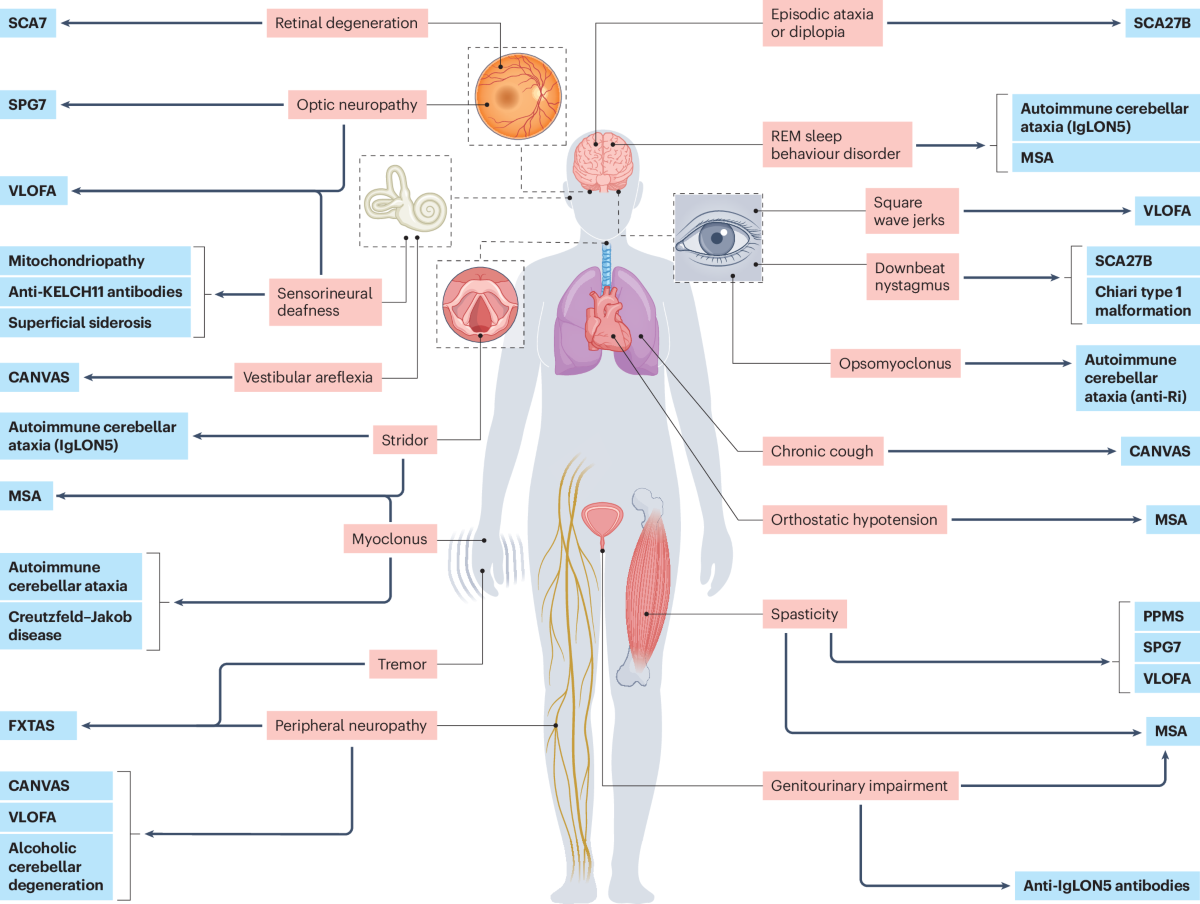
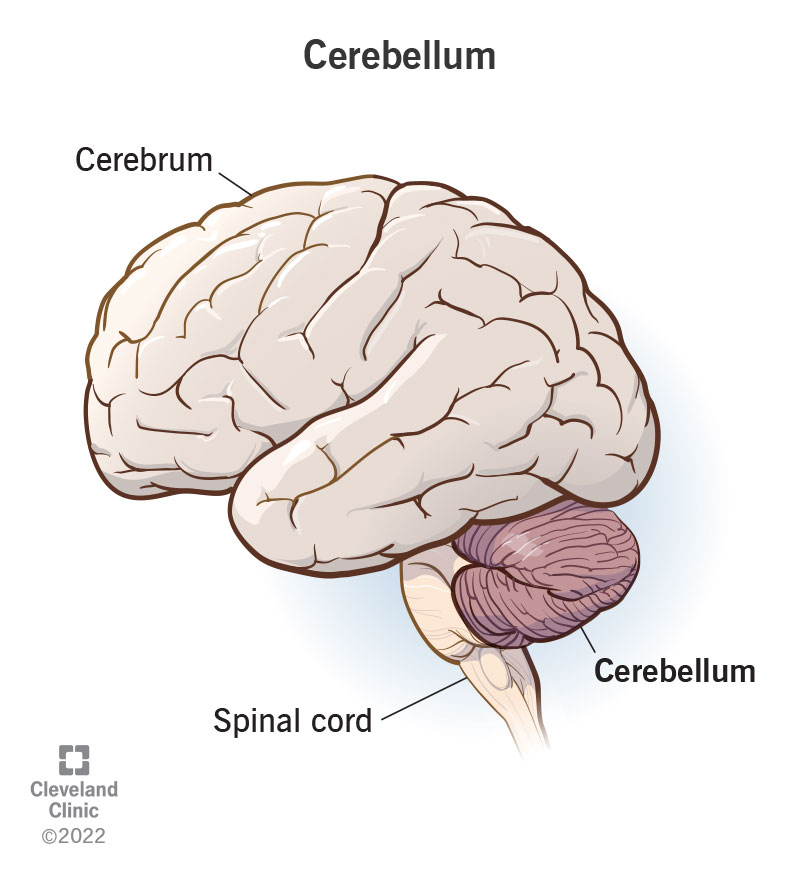
🧠 What Is Idiopathic Late-Onset Ataxia?
ILOA is diagnosed when:
- Symptoms begin later in adulthood
- There is no clear genetic cause
- No treatable cause (such as vitamin deficiency, infection, stroke, or medication effect) is found
- Other neurological conditions have been excluded
It is a diagnosis of exclusion, made after careful assessment.
🚶 Common Symptoms
People with idiopathic late-onset ataxia may experience:
- Gradually worsening balance problems
- Unsteady or wide-based walking
- Poor coordination of arms and legs
- Difficulty with fine motor tasks
- Slurred or slow speech
- Fatigue
- Tremor or clumsiness during movement
Symptoms usually develop slowly over months or years.
⏱️ Progression
- Progression is typically slow
- Symptoms may worsen gradually over time
- The rate of change varies between individuals
- Some people experience long periods of stability
ILOA is generally less rapidly progressive than some genetic or degenerative ataxias.
🧑⚕️ Diagnosis
Diagnosis may involve:
- Neurological examination
- Brain imaging (MRI)
- Blood tests to exclude treatable causes
- Review of medications and alcohol use
- Ongoing monitoring of symptom progression
Because there is no single test, diagnosis may take time.
🧑⚕️ Management & Support
Although there is no cure, management focuses on maintaining function, safety, and quality of life.
Support may include:
- Regular neurological follow-up
- Physiotherapy for balance and mobility
- Occupational therapy for daily activities
- Speech and language therapy if needed
- Vision and swallowing support
- Emotional and psychological support
- Home adaptations and mobility aids
Early intervention helps reduce complications.
⚖️ Impact on Daily Life
Over time, people may experience:
- Increased difficulty with walking and balance
- Greater reliance on mobility aids
- Fatigue and reduced stamina
- Emotional challenges related to uncertainty
With the right support, many people continue to live independent and meaningful lives.
❤️ Key Message
Idiopathic Late-Onset Ataxia is a slowly progressive condition with no known cause, but supportive care makes a significant difference.
Early diagnosis, regular monitoring, and tailored therapy help maintain independence, safety, and wellbeing.
Chronic Autoimmune or Inflammatory Ataxia
Chronic autoimmune or inflammatory ataxia occurs when the immune system mistakenly attacks parts of the brain , particularly the cerebellum , which controls balance and coordination.
Unlike sudden inflammatory conditions, this form of ataxia is long-term and often progressive , but early diagnosis and treatment can stabilize symptoms and prevent further damage .


🧠 How Autoimmune & Inflammatory Ataxia Develops
In autoimmune or inflammatory ataxia:
- The immune system attacks healthy nerve tissue
- Inflammation damages cerebellar cells
- Nerve signaling becomes disrupted
- Coordination and balance gradually worsened
This process may continue unless immune activity is controlled .
🦠 Conditions Linked to Chronic Autoimmune or Inflammatory Ataxia
Conditions associated with this type of ataxia include:
- Autoimmune cerebellar ataxia
- Gluten ataxia
- Multiple sclerosis (MS)
- Autoimmune encephalitis
- Paraneoplastic neurological syndromes
- Systemic lupus erythematosus (SLE)
- Vasculitis
- Sarcoidosis
In some cases, ataxia may be the main or first symptom .
⚖️ Common Symptoms
People with chronic autoimmune or inflammatory ataxia may experience:
- Gradually worsening balance and coordination
- Unsteady or wide-based walking
- Poor coordination of arms and hands
- Slurred or slowed speech
- Tremor or clumsiness
- Vision or eye-movement problems
- Fatigue
- Symptoms that fluctuate or worsen during flare-ups
Symptoms may stabilize or progress slowly depending on treatment.
🧑⚕️ Diagnosis
Diagnosis may include:
- Neurological examination
- Blood tests for autoimmune or inflammatory markers
- Brain imaging (MRI)
- Lumbar puncture (spinal fluid testing)
- Screening for underlying autoimmune conditions
Early diagnosis is crucial to prevent permanent cerebellar damage .
💊 Treatment & Management
Treatment focuses on reducing inflammation and immune system activity and may include:
- Steroid therapy
- Immunosuppressive or immune-modulating medications
- Treating the underlying autoimmune condition
- Dietary management (such as a strict gluten-free diet for gluten ataxia)
- Ongoing neurological monitoring
Many people experience symptom stabilization or improvement when treated early.
🧑⚕️ Rehabilitation & Support
Long-term management often includes:
- Physiotherapy for balance and mobility
- Occupational therapy for daily activities
- Speech and language therapy
- Vision and swallowing support
- Emotional and psychological support
- Home adaptations and safety planning
❤️ Key Message
Chronic autoimmune or inflammatory ataxia is a serious but often treatable cause of ataxia .
Early diagnosis and immune-targeted treatment can slow progression, stabilize symptoms, and protect long-term function .
With the right medical care and supportive therapies, many people continue to live active, meaningful lives .

Transform Your Life with ATAXIA
Transform Your Health with ATAXIA Health Consulting
At ATAXIA, we believe that good health is the foundation for a happy life. Our team of experienced health consultants are dedicated to helping you achieve optimal health and wellness through evidence-based practices. Whether you are looking to lose weight, improve your fitness, or manage a chronic condition, we are here to support you every step of the way.
Discover a Healthier You with ATAXIA
Welcome to ATAXIA!
Chronic Autoimmune or Inflammatory Ataxia
Chronic autoimmune or inflammatory ataxia occurs when the immune system mistakenly attacks parts of the brain , particularly the cerebellum , which controls balance and coordination.
Unlike sudden inflammatory conditions, this form of ataxia is long-term and often progressive , but early diagnosis and treatment can stabilize symptoms and prevent further damage .
🧠 How Autoimmune & Inflammatory Ataxia Develops
In autoimmune or inflammatory ataxia:
- The immune system attacks healthy nerve tissue
- Inflammation damages cerebellar cells
- Nerve signaling becomes disrupted
- Coordination and balance gradually worsened
This process may continue unless immune activity is controlled .
🦠 Conditions Linked to Chronic Autoimmune or Inflammatory Ataxia
Conditions associated with this type of ataxia include:
- Autoimmune cerebellar ataxia
- Gluten ataxia
- Multiple sclerosis (MS)
- Autoimmune encephalitis
- Paraneoplastic neurological syndromes
- Systemic lupus erythematosus (SLE)
- Vasculitis
- Sarcoidosis
In some cases, ataxia may be the main or first symptom .
⚖️ Common Symptoms
People with chronic autoimmune or inflammatory ataxia may experience:
- Gradually worsening balance and coordination
- Unsteady or wide-based walking
- Poor coordination of arms and hands
- Slurred or slowed speech
- Tremor or clumsiness
- Vision or eye-movement problems
- Fatigue
- Symptoms that fluctuate or worsen during flare-ups
Symptoms may stabilize or progress slowly depending on treatment.
🧑⚕️ Diagnosis
Diagnosis may include:
- Neurological examination
- Blood tests for autoimmune or inflammatory markers
- Brain imaging (MRI)
- Lumbar puncture (spinal fluid testing)
- Screening for underlying autoimmune conditions
Early diagnosis is crucial to prevent permanent cerebellar damage .
💊 Treatment & Management
Treatment focuses on reducing inflammation and immune system activity and may include:
- Steroid therapy
- Immunosuppressive or immune-modulating medications
- Treating the underlying autoimmune condition
- Dietary management (such as a strict gluten-free diet for gluten ataxia)
- Ongoing neurological monitoring
Many people experience symptom stabilization or improvement when treated early.
🧑⚕️ Rehabilitation & Support
Long-term management often includes:
- Physiotherapy for balance and mobility
- Occupational therapy for daily activities
- Speech and language therapy
- Vision and swallowing support
- Emotional and psychological support
- Home adaptations and safety planning
❤️ Key Message
Chronic autoimmune or inflammatory ataxia is a serious but often treatable cause of ataxia .
Early diagnosis and immune-targeted treatment can slow progression, stabilize symptoms, and protect long-term function .
With the right medical care and supportive therapies, many people continue to live active, meaningful lives .
Achieve Optimal Health Today
Discover the Benefits of ATAXIA
Structural Brain Damage — ATAXIA
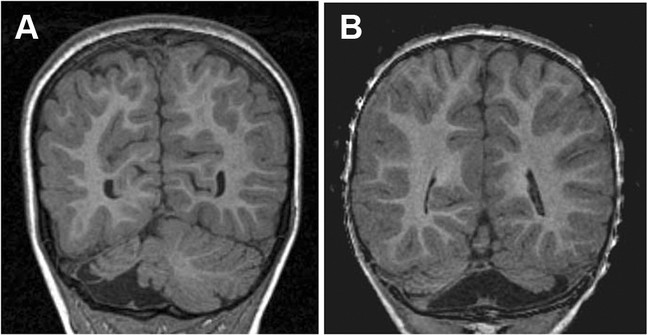
Structural brain damage can cause ataxia when areas of the brain responsible for balance, coordination, and movement control are physically damaged.
This damage may be permanent, and symptoms can be long-term or progressive, depending on the cause and severity.

🧠 What Is Structural Brain Damage?
Structural brain damage refers to physical injury or changes to brain tissue that can be seen on brain scans (such as MRI or CT).
In ataxia, this damage most often affects:
- The cerebellum
- The brainstem
- Nerve pathways involved in balance and coordination
Once damaged, these areas may not function normally.
⚠️ Causes of Structural Brain Damage Leading to Ataxia
Structural damage may result from:
- Stroke or reduced blood flow
- Traumatic brain injury (falls, accidents, assaults)
- Brain tumours (benign or malignant)
- Surgical damage to coordination areas
- Long-standing pressure on the brain (hydrocephalus)
- Infections causing brain scarring
- Chronic alcohol-related cerebellar damage
- Congenital brain abnormalities (present from birth)
🚶 Common Symptoms
Ataxia caused by structural brain damage may include:
- Persistent unsteady or wide-based walking
- Poor balance and frequent falls
- Difficulty coordinating arms and hands
- Slurred or slow speech
- Tremor or clumsiness
- Vision or eye-movement problems
- Difficulty swallowing
- Fatigue and reduced stamina
Symptoms are often stable or slowly progressive, depending on the cause.
⚖️ How Structural Damage Affects Daily Life
People may experience:
- Long-term mobility difficulties
- Increased reliance on walking aids
- Challenges with speech or eating
- Reduced independence
- Emotional and psychological impact
The effects vary widely depending on location and extent of damage.
🧑⚕️ Diagnosis
Diagnosis usually involves:
- Neurological examination
- Brain imaging (MRI or CT scans)
- Review of medical history and past injuries
- Ongoing monitoring of symptoms
Imaging helps identify where and how much damage is present.
🧑⚕️ Management & Support
Although structural brain damage cannot usually be reversed, management focuses on maximising function and safety.
Support may include:
- Physiotherapy for balance and mobility
- Occupational therapy for daily activities
- Speech and language therapy
- Vision and swallowing support
- Pain or symptom management
- Mobility aids and home adaptations
- Emotional and psychological support
Rehabilitation can lead to meaningful improvement, even when damage is permanent.
❤️ Key Message
Structural brain damage is a significant cause of long-term ataxia, but supportive care makes a real difference.
With tailored rehabilitation, adaptations, and ongoing support, many people maintain independence, confidence, and quality of life.
Early assessment and consistent follow-up are essential.
Structural Brain Damage — ATAXIA
Structural brain damage can cause ataxia when areas of the brain responsible for balance, coordination, and movement control are physically damaged.
This damage may be permanent, and symptoms can be long-term or progressive, depending on the cause and severity.
🧠 What Is Structural Brain Damage?
Structural brain damage refers to physical injury or changes to brain tissue that can be seen on brain scans (such as MRI or CT).
In ataxia, this damage most often affects:
- The cerebellum
- The brainstem
- Nerve pathways involved in balance and coordination
Once damaged, these areas may not function normally.
⚠️ Causes of Structural Brain Damage Leading to Ataxia
Structural damage may result from:
- Stroke or reduced blood flow
- Traumatic brain injury (falls, accidents, assaults)
- Brain tumours (benign or malignant)
- Surgical damage to coordination areas
- Long-standing pressure on the brain (hydrocephalus)
- Infections causing brain scarring
- Chronic alcohol-related cerebellar damage
- Congenital brain abnormalities (present from birth)
🚶 Common Symptoms
Ataxia caused by structural brain damage may include:
- Persistent unsteady or wide-based walking
- Poor balance and frequent falls
- Difficulty coordinating arms and hands
- Slurred or slow speech
- Tremor or clumsiness
- Vision or eye-movement problems
- Difficulty swallowing
- Fatigue and reduced stamina
Symptoms are often stable or slowly progressive, depending on the cause.
⚖️ How Structural Damage Affects Daily Life
People may experience:
- Long-term mobility difficulties
- Increased reliance on walking aids
- Challenges with speech or eating
- Reduced independence
- Emotional and psychological impact
The effects vary widely depending on location and extent of damage.
🧑⚕️ Diagnosis
Diagnosis usually involves:
- Neurological examination
- Brain imaging (MRI or CT scans)
- Review of medical history and past injuries
- Ongoing monitoring of symptoms
Imaging helps identify where and how much damage is present.
🧑⚕️ Management & Support
Although structural brain damage cannot usually be reversed, management focuses on maximising function and safety.
Support may include:
- Physiotherapy for balance and mobility
- Occupational therapy for daily activities
- Speech and language therapy
- Vision and swallowing support
- Pain or symptom management
- Mobility aids and home adaptations
- Emotional and psychological support
Rehabilitation can lead to meaningful improvement, even when damage is permanent.
❤️ Key Message
Structural brain damage is a significant cause of long-term ataxia, but supportive care makes a real difference.
With tailored rehabilitation, adaptations, and ongoing support, many people maintain independence, confidence, and quality of life.
Early assessment and consistent follow-up are essential.

Transform your health today
Welcome to ATAXIA Health Consulting
Metabolic & Rare Neurological Disorders — ATAXIA
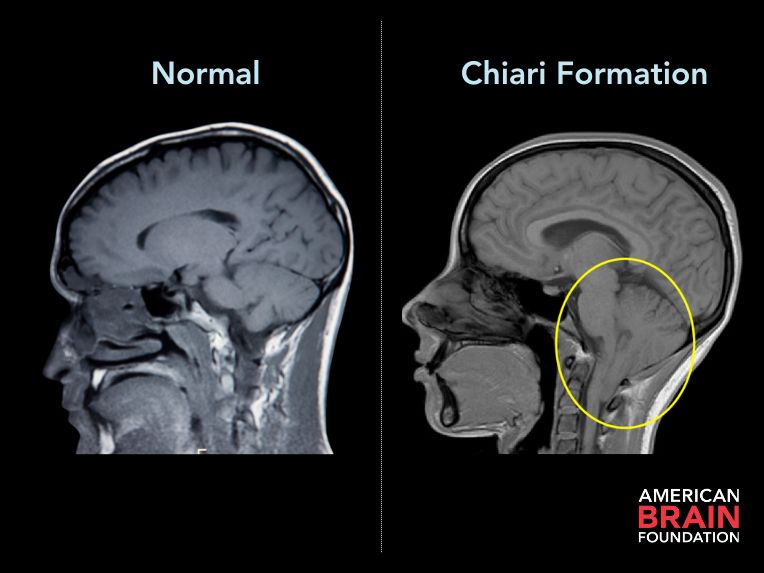
Some metabolic conditions and rare neurological disorders can cause ataxia by affecting how the brain and nervous system produce energy, process nutrients, or maintain healthy nerve function.
These conditions are often long-term, and symptoms may be progressive, but early diagnosis and specialist care can significantly improve outcomes.


🧠 How Metabolic & Rare Disorders Cause Ataxia
These conditions may:
- Disrupt the brain’s energy supply
- Cause toxic build-up of substances in nerve cells
- Damage the cerebellum or related pathways
- Interfere with nerve signalling and muscle coordination
The result is difficulty with balance, movement, speech, and coordination.
🧪 Metabolic Conditions Linked to Ataxia
Metabolic causes of ataxia may include:
- Vitamin deficiencies (especially B12 or Vitamin E)
- Mitochondrial disorders
- Thyroid disorders
- Wilson’s disease (copper metabolism disorder)
- Liver or kidney disease
- Disorders of glucose metabolism
Some metabolic causes are treatable or partially reversible when identified early.
🧬 Rare Neurological Disorders Associated With Ataxia
Rare neurological conditions may include:
- Inherited metabolic diseases
- Neurodegenerative syndromes
- Disorders affecting nerve myelin or axons
- Childhood-onset neurological syndromes that persist into adulthood
Ataxia may be one symptom among many, or the main presenting feature.
⚖️ Common Symptoms
People with metabolic or rare neurological ataxia may experience:
- Gradual or sudden unsteadiness
- Poor coordination of arms and legs
- Slurred or slow speech
- Tremor or clumsiness
- Muscle weakness or stiffness
- Vision problems
- Fatigue
- Cognitive or behavioural changes
Symptoms may progress slowly or fluctuate depending on the condition.
🧑⚕️ Assessment & Diagnosis
Diagnosis may involve:
- Neurological examination
- Blood and urine tests
- Genetic testing
- Brain imaging (MRI)
- Specialist metabolic or neurological referral
Accurate diagnosis is essential to guide appropriate treatment and monitoring.
💊 Treatment & Management
Management depends on the underlying condition and may include:
- Treating metabolic imbalances
- Vitamin or nutritional supplementation
- Disease-specific medications
- Long-term neurological monitoring
- Physiotherapy and rehabilitation
- Occupational and speech therapy
Some metabolic causes show significant improvement with treatment.
❤️ Key Message
Metabolic and rare neurological disorders are important causes of ataxia that should not be overlooked.
Early investigation can identify treatable conditions, prevent progression, and improve long-term quality of life.
With specialist care and supportive therapy, many people can live active and meaningful lives.

Transform Your Life with ATAXIA
Transform Your Health with ATAXIA Health Consulting
How Progressive Ataxia May Affect Daily Life
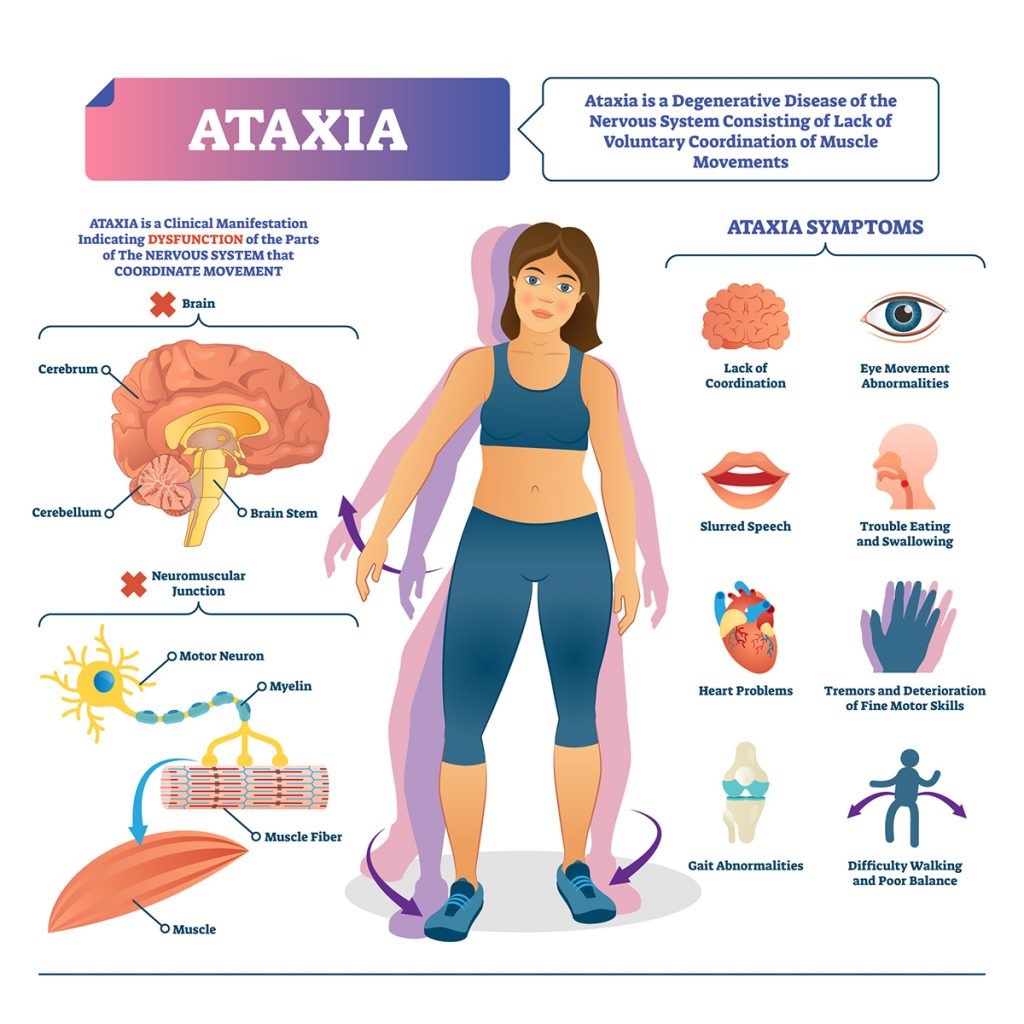
Progressive ataxia develops slowly over time, and its effects on daily life often change gradually.
While the experience is different for everyone, increasing difficulties with movement, balance, communication, and fatigue are common.
Understanding these changes helps people, families, and carers plan appropriate support early.

🚶 Mobility & Balance
As ataxia progresses, people may experience:
- Increasing unsteadiness when walking
- Difficulty standing for long periods
- Greater risk of falls
- Trouble using stairs or uneven surfaces
- Need for walking aids or mobility equipment
Moving around often requires more effort and concentration.
✋ Daily Tasks & Independence
Everyday activities may become more challenging, including:
- Dressing, fastening buttons, or tying shoelaces
- Writing, typing, or using phones and tablets
- Cooking and preparing meals safely
- Eating and drinking without spilling
- Managing household tasks
Tasks may take longer to complete, and adaptations may be needed.
🗣️ Communication & Swallowing
Progressive ataxia can affect:
- Speech clarity and volume
- Speed of communication
- Confidence in social situations
- Swallowing safety and eating enjoyment
These changes can impact social interaction and nutrition.
👁️ Vision & Sensory Changes
Some people experience:
- Blurred or double vision
- Difficulty focusing or tracking movement
- Visual fatigue
Vision problems can further affect balance, reading, and confidence.
🧠 Fatigue & Energy Levels
Fatigue is common and may include:
- Physical exhaustion from movement effort
- Mental fatigue from concentration demands
- Reduced stamina throughout the day
Managing energy becomes an important part of daily life.
❤️ Emotional & Psychological Impact
Living with progressive ataxia may lead to:
- Frustration or low mood
- Anxiety about falling or the future
- Loss of confidence
- Changes in self-identity
- Social withdrawal
Emotional support is just as important as physical care.
🧑⚕️ How Support Can Help
With the right support, many challenges can be reduced:
- Physiotherapy improves balance and movement
- Occupational therapy supports daily tasks
- Speech and language therapy helps communication and swallowing
- Mobility aids increase safety
- Emotional and psychological support builds resilience
- Home adaptations improve independence
Early intervention helps people adapt gradually rather than react to crisis.
❤️ Key Message
Progressive ataxia affects daily life in many interconnected ways, but supportive care makes a real difference.
With planning, therapy, adaptations, and emotional support, many people continue to live active, meaningful, and dignified lives.
Early support, flexibility, and understanding are essential.